
What Are the Top 10 Types of Plastic Injection Machines?
Choosing the right plastic injection machine affects product quality, energy use, maintenance, and production stability. A compact machine may suit medical caps, while a larger two-platen model may handle automotive panels. The machine’s structure matters. So do its controls, clamping force, injection speed, and material compatibility.
John Bozzelli, founder of Scientific Molding, has said, “Molding is a science, not an art.” This practical view guides the discussion. Reliable production depends on measurable settings, repeatable procedures, and careful observation. Operators still need experience. A pressure curve can reveal hesitation, trapped air, or an unstable filling stage. A simple visual check can also expose flash along a parting line. Small clues matter.
This guide examines the top 10 types of plastic injection machine, including hydraulic, all-electric, hybrid, toggle, two-platen, vertical, horizontal, servo-hydraulic, multi-material, and micro-injection models. Each type has a distinct operating profile. Some prioritize speed. Others reduce energy consumption or simplify mold access. No machine wins every job. That is easy to forget.
The categories can overlap. A vertical machine may also use electric drives, while a hybrid model may combine several design features. Buyers should compare actual production needs, not impressive specifications alone. Mold dimensions, resin behavior, cycle time, part tolerance, floor space, and service availability deserve equal attention. The best choice is rarely the newest machine. It is the one that delivers consistent parts under real factory conditions. Even experienced teams must review their assumptions. Industry practice changes, and equipment decisions should remain evidence-based.
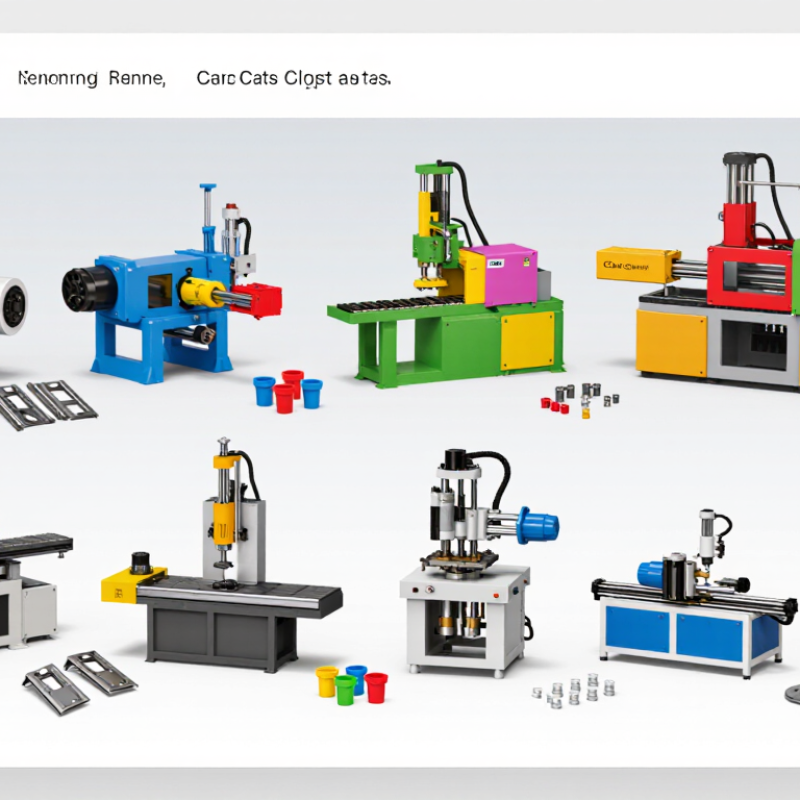
Defining Plastic Injection Machines and Their Core Functions
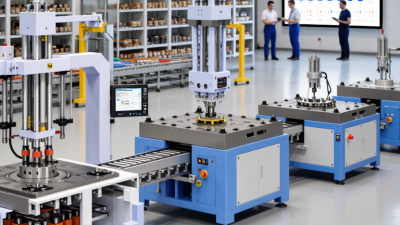
What is a plastic injection machine? It is a controlled production system that turns plastic pellets into shaped parts. The machine heats, mixes, and pushes molten material into a mold. A clamping unit holds the mold closed under strong pressure. The injection unit then fills the cavity through a small gate. After cooling, the mold opens and ejector pins release the part. The cycle repeats with carefully measured timing.
The top ten machine types usually reflect different production needs. Common categories include hydraulic, all-electric, hybrid, vertical, horizontal, two-color, multi-material, micro-injection, high-speed, and foam-injection machines. Their core functions remain similar, but their control methods and material-handling abilities differ. Electric systems often provide clean, repeatable movement. Hydraulic systems can deliver substantial force for large molds. Vertical machines can simplify insert loading, especially when workers place metal components by hand.
In real factory work, selection involves more than clamping force. Engineers examine shot size, mold dimensions, cooling capacity, cycle time, and energy use. A machine that looks powerful may still produce unstable parts if the screw design is unsuitable. Small temperature changes can create warping, short shots, or visible flow marks. Mold testing reveals problems that calculations sometimes miss. This is where experience matters. Operators watch pressure curves, listen for unusual movement, and inspect parts under consistent lighting. No machine is perfect. Even a well-tuned process may need adjustment when resin batches, room temperature, or mold conditions change.
| No. | Machine Type | Core Function | Typical Clamping-Force Range | Common Materials | Typical Applications | Main Advantages | Key Considerations |
|---|---|---|---|---|---|---|---|
| 1 | Hydraulic Injection Machine | Uses hydraulic pumps and cylinders to drive plasticizing, injection, mold closing, and clamping operations. | Approximately 30–6,000+ tons | PP, PE, ABS, PS, PA, PC, POM, PVC, and many engineering polymers | Automotive parts, household products, packaging, appliances, and large molded components | High force capability, robust construction, and broad process flexibility | Usually consumes more energy and may require more maintenance than fully electric systems. |
| 2 | All-Electric Injection Machine | Uses servo motors and electric drives for injection, screw rotation, mold movement, and ejection. | Approximately 20–1,300 tons | PP, PE, ABS, PC, POM, medical-grade polymers, and high-precision resins | Medical components, electronics, thin-wall packaging, precision gears, and consumer products | High repeatability, clean operation, low energy use, and precise motion control | Initial equipment cost can be higher, and very large force requirements may favor hydraulic designs. |
| 3 | Hybrid Injection Machine | Combines electric servo drives with hydraulic systems, using each technology where it is most effective. | Approximately 50–2,500 tons | PP, PE, ABS, PA, PC, PBT, and glass-fiber-reinforced materials | Automotive, packaging, electrical enclosures, appliances, and general industrial parts | Balances energy efficiency, high force, speed, and process versatility | System complexity is greater than that of a basic hydraulic machine, requiring qualified service support. |
| 4 | Toggle-Clamp Machine | Uses a mechanical toggle linkage to open and close the mold and multiply clamping force near the locked position. | Approximately 25–2,000 tons | PP, PE, ABS, PS, PA, and common thermoplastic compounds | High-volume caps, containers, automotive trim, toys, and household components | Fast mold movement, compact design, and efficient force multiplication | Toggle links require correct adjustment, lubrication, and periodic inspection. |
| 5 | Two-Platen Machine | Closes and clamps the mold between two main platens, generally using direct hydraulic cylinders. | Approximately 500–7,000+ tons | PP, PE, ABS, PC, PA, reinforced polymers, and large molded compounds | Large automotive panels, pallets, crates, appliance housings, and industrial products | Compact machine length, large mold capacity, and strong clamping performance | Large molds and high clamping forces require careful alignment and mold-protection control. |
| 6 | Vertical Injection Machine | Injects plastic vertically while the mold typically opens vertically, allowing inserts to be positioned from above. | Approximately 15–1,000 tons | TPU, PVC, PA, PP, PE, rubber-like thermoplastics, and engineering resins | Insert molding, overmolding, connectors, cable assemblies, seals, and small precision parts | Excellent insert accessibility and reduced risk of inserts moving during mold closing | Requires more floor height and may be less suitable for some automated high-speed production lines. |
| 7 | Horizontal Injection Machine | Uses a horizontal injection unit and mold-opening direction, supporting automated part removal and conveyor transfer. | Approximately 20–6,000+ tons | Most thermoplastics, including PP, PE, ABS, PC, PA, POM, and filled compounds | Automotive, packaging, electronics, medical products, toys, and general-purpose molded parts | Easy automation, efficient part ejection, and broad availability of molds and auxiliaries | Insert placement may require additional automation, fixtures, or specialized mold designs. |
| 8 | Multi-Component or Two-Shot Machine | Injects two or more materials or colors in one molding cycle using multiple injection units or mold positions. | Approximately 80–2,000 tons | TPU with PP, TPE with ABS, PC with ABS, multi-color PP, and compatible polymer combinations | Soft-grip handles, seals, two-color closures, automotive controls, and multi-material housings | Combines multiple operations, improves part integration, and can reduce assembly work | Material compatibility, mold design, process sequencing, and higher tooling cost are critical factors. |
| 9 | Insert-Molding Machine | Encapsulates preformed metal, electronic, textile, or plastic inserts inside an injected polymer component. | Approximately 20–500 tons | PA, PBT, POM, PP, PC, ABS, TPU, and other thermoplastics compatible with the insert | Electrical terminals, threaded components, sensors, connectors, medical devices, and reinforced parts | Reduces secondary assembly and creates strong, integrated components | Insert positioning, thermal expansion, venting, and reliable automation must be carefully controlled. |
| 10 | Micro-Injection Machine | Processes very small shot sizes with highly controlled injection, metering, and mold-filling operations. | Approximately 2–100 tons | PEEK, LCP, PA, PC, POM, PP, and other precision thermoplastics | Micro-gears, miniature medical parts, laboratory components, micro-connectors, and optical elements | Accurate shot control, low material consumption, and suitability for miniature components | Material drying, contamination control, mold precision, and process stability are especially important. |
Note: Clamping-force ranges are typical industry classifications rather than fixed limits. Actual machine capacity depends on the machine design, mold size, part projected area, material, injection pressure, and production requirements.
Related Posts
-
Top 10 Injection Molding Machine Mold Manufacturers
-
Top 10 Types of Injection Machine Molds for Global Buyers
-

7 Essential Tips for Optimizing Your Plastic Mold Making Machine for Maximum Efficiency
-
Revolutionizing Production Efficiency with Advanced Plastic Mold Making Machines in 2023
-
2026 Top Plastic Mold Making Machine Manufacturers for Global Buyers
-

2026 Best Medical Injection Molding Techniques and Trends?
Submit a quote request or book a design consultation
Plastimold Products is an end-to-end product development and manufacturing team. We provide product design, engineering, prototyping, tooling, plastic injection molding, assembly, packaging and fulfillment. We work with any size company from start-ups to enterprises from all around the world.
I have a product I want to manufacture
I have a product that is already designed and now needs to be manufactured.
I need a manufacturer to optimize my product for injection molding, help choose the correct material, and manage the product production.
I have tooling that I want to transfer or modify, or I need to produce new tooling.
I need design and engineering support
I have a product concept that I want to be designed and brought to market.
I have a product that needs to be reviewed, improved or DFM’ed.
I am looking for a manufacturer to provide an end-to-end solution, from design and development to inventory, marketing, and sales.

©2022 Plastimold Products - Privacy policy - Terms and Conditions