2026 Top Plastic Mold Making Machine Manufacturers for Global Buyers
Choosing a plastic mold making machine in 2026 is not simply a matter of comparing prices or advertised tonnage. Global buyers must examine accuracy, repeatability, energy use, service access, and technical support. A machine may look impressive in a showroom, yet perform poorly beside a noisy factory floor. That difference matters.
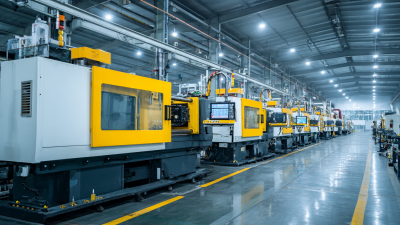
As plastics engineer and author John Beaumont has stated, “The mold is the heart of the injection molding process.” His observation highlights an important connection between mold quality and machine performance. A rigid platen, stable clamping force, precise temperature control, and responsive injection system can protect that relationship. Small details count. A few unstable degrees may create visible defects in thin automotive parts or medical housings.
This guide reviews leading plastic mold making machine manufacturers for international buyers. It considers real production needs, including material compatibility, mold dimensions, cycle consistency, automation options, and after-sales support. It also looks beyond polished brochures. Factory references, independent testing, spare-parts availability, and operator training deserve equal attention. Some rankings may remain debatable, because “best” depends on application, budget, region, and production volume. That is worth admitting.
Manufacturers serving global markets should also demonstrate responsible quality systems, transparent specifications, and compliance with applicable safety requirements. Buyers need evidence, not confident promises. The strongest suppliers combine engineering experience with practical communication, helping customers reduce downtime and achieve stable output over years of operation.
Plastic Mold Making Machines: Types, Functions, and Key Applications
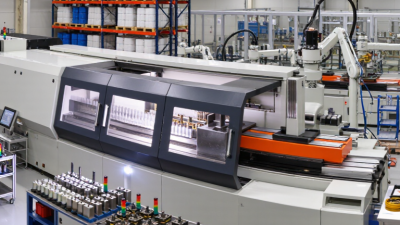
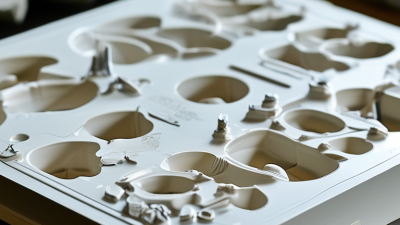
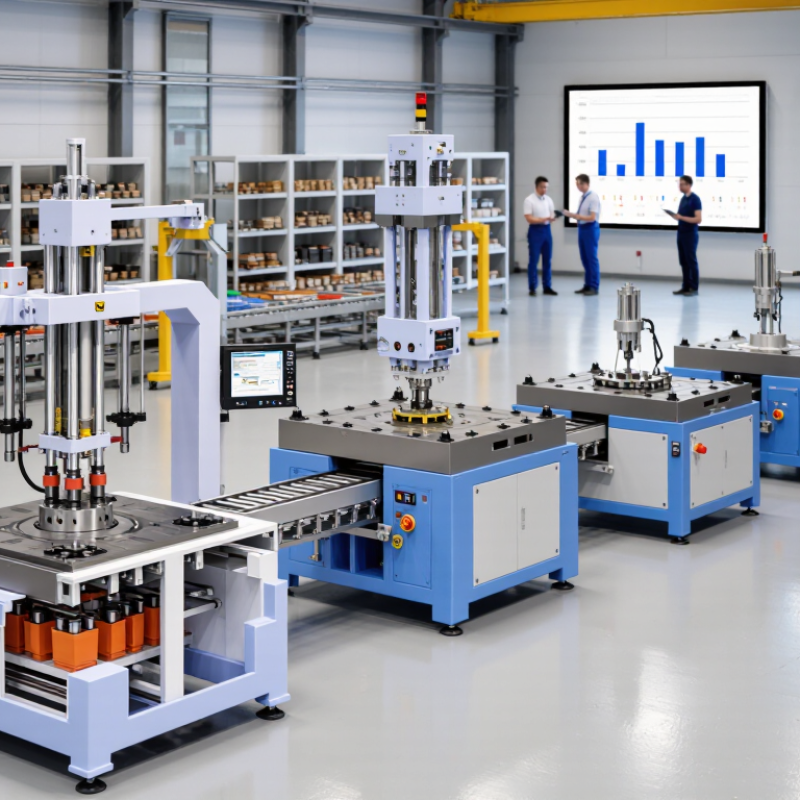
Plastic mold making machines convert design data into repeatable cavities, cores, and inserts. CNC machining removes steel or aluminum with controlled cutting paths. EDM shapes hardened steel through electrical discharge, especially in narrow ribs and deep corners. Wire EDM cuts precise profiles through conductive materials. Additive systems can produce prototype molds or conformal cooling components, but their surface finish still needs careful review.
According to Grand View Research, the global injection molding machine market was estimated at about USD 15.4 billion in 2023. This demand supports mold production for packaging, automotive interiors, electronics, household products, and medical components. Mold functions are practical: cooling channels control cycle time, ejector systems release parts, and guide pillars protect alignment. A few microns can affect flash, warpage, or assembly.
The OECD’s Global Plastics Outlook reported 353 million tonnes of plastic waste in 2019. That figure increases pressure for durable molds and lighter, recyclable parts. Still, buying the fastest machine is not always wise. A compact workshop may need better tool measurement, not more power. That assumption deserves testing. Operators should compare spindle accuracy, EDM stability, cooling design, maintenance access, and software compatibility. Real production trials reveal weaknesses that brochures often hide.
Top Plastic Mold Making Machine Manufacturers for Global Buyers in 2026
Top plastic mold making machine manufacturers for global buyers in 2026 are judged by measurable capability, not impressive brochures.
PlasticsEurope reported 413.8 million tonnes of global plastics production in 2023. That scale keeps demand strong for accurate molds, stable injection systems, and faster maintenance. Grand View Research forecasts continued growth in the injection molding machine market through 2030, with automation and energy efficiency driving investment.
Reliable manufacturers should show documented mold-flow analysis, dimensional inspection records, and repeatability data from comparable projects. Buyers should examine steel grades, cooling-channel design, surface finishing, and expected cycle life. A supplier with ISO 9001 processes can provide stronger traceability, but certification alone proves little. Ask for factory acceptance testing. Inspect real samples.
Energy use deserves closer attention. A 2024 International Energy Agency analysis identifies industrial efficiency as an important emissions-reduction opportunity. Servo-hydraulic or electric systems may reduce power consumption, depending on mold size, cycle time, and production habits. The cheapest quotation can become expensive after installation. That happens often. Global buyers should also verify spare-part access, technical response times, electrical compatibility, and local safety documentation. Ranking manufacturers is difficult because published performance figures are rarely tested under identical conditions. That weakness deserves more attention in 2026.
Manufacturing Standards, Technologies, and Quality Control
Global buyers should assess plastic mold making machine manufacturers against documented standards, not polished brochures.
ISO’s Survey 2022 recorded more than 1.2 million ISO 9001 certificates worldwide.
Certification helps, but it does not guarantee stable mold accuracy. Auditors should check calibration records, corrective-action logs, and traceability from steel receipt to final trial.
Machine safety deserves equal attention.
ISO 20430:2020 addresses injection molding machine safety, while ISO 12100 supports machinery risk assessment. A reliable supplier should show guarded moving parts, emergency-stop testing, electrical inspection, and software access controls. These details matter when a mold runs continuously beside operators.
Ask for acceptance-test records.
Verbal promises are weak evidence.
Technology choices should match production reality.
The International Federation of Robotics reported 541,302 industrial robot installations in 2023, a 10% annual increase.
This growth supports automated loading, inspection, and part removal, but automation cannot repair poor mold design. Buyers should review cavity pressure data, temperature stability, cycle-time variation, and dimensional capability. A practical target is Cpk above 1.33 for critical dimensions, although the target may differ by product risk.
Independent measurement under ISO/IEC 17025 principles adds credibility. Small gaps remain. Some suppliers provide excellent samples but inconsistent repeat runs. A witnessed factory trial, using the buyer’s resin and process window, exposes that weakness earlier.
Global Purchasing Factors: Pricing, Support, Delivery, and Compliance
For global buyers, the 2026 machine shortlist should begin with purchasing evidence, not attractive brochures. A low quotation can hide mold compatibility limits, installation fees, or expensive replacement parts. Compare complete landed cost: machine price, tooling interface, freight, insurance, duties, commissioning, and operator training. Ask for a written energy estimate based on your planned cycle time and material. Request recent invoices or anonymized project references, then verify capacity through a trial using your own mold when possible.
Technical support often decides whether production starts smoothly. Confirm response hours, remote diagnostic methods, service languages, and local technician coverage. Spare parts should include lead times, part numbers, and storage recommendations. A support promise without an escalation path is weak. Delivery deserves equal scrutiny. Require a production milestone schedule, factory acceptance test, packing photographs, lifting instructions, and shipping documents. Incoterms must be understood by both sides. One overlooked crate dimension can delay unloading and add warehouse charges.
Compliance documents should match the exact model and destination market. Check risk assessments, electrical diagrams, safety instructions, declarations, and test records. Verify serial numbers before shipment. Import authorities may also require origin, tariff, and labeling information. Do not accept copied certificates without traceable issuing details. An independent inspection may feel unnecessary, but it can expose costly defects. Even careful teams sometimes focus too heavily on price during approval. That mistake can survive approval and appear later as downtime. A reliable supplier should welcome questions, disclose limitations, and correct unclear specifications before payment.