Who Are the Top Stainless Steel Wire Rod Suppliers in China?
China is a major source of Stainless Steel Wire Rod, but a long supplier list does not automatically mean a reliable shortlist. Buyers need to compare alloy grades, production capacity, surface finish, dimensional consistency, and delivery records. A bright coil sample can look convincing under warehouse lights. The certificate, inspection data, and repeat-order performance matter more.
Metallurgist Michael F. McGuire, author of Stainless Steels for Design Engineers, offers a useful principle: “A grade name alone cannot guarantee performance; composition and processing matter.” This is a paraphrase, not a verified verbatim quotation. It points to a practical question for supplier evaluation: can the manufacturer document how each batch meets the buyer’s requirements? Ask about testing, traceability, packaging, and how the supplier handles nonconforming material. Small details count. A damaged coil edge or unclear heat number can create avoidable delays.
This outline examines leading Chinese suppliers through product range, manufacturing capability, quality controls, export experience, and service responsiveness. Public company profiles can help, but they rarely tell the whole story. Supplier rankings also depend on grade, order volume, and destination. The shortlist will have limits. Readers should verify current certifications and request recent mill documents before making a purchasing decision.
What Is Stainless Steel Wire Rod and How Is It Classified?
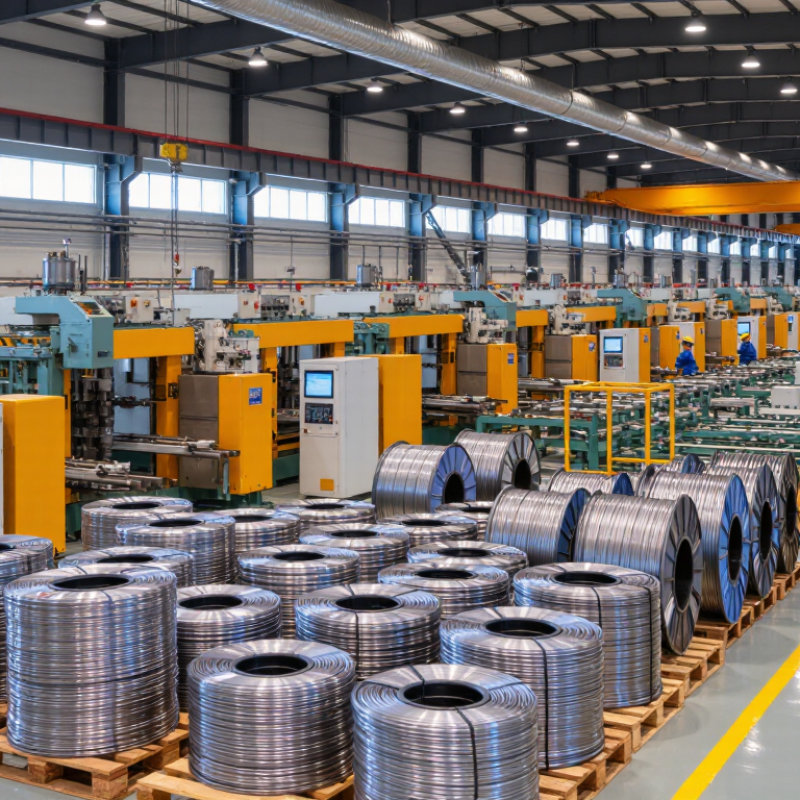
Stainless steel wire rod is a hot-rolled, semi-finished product supplied in coils. It is drawn into thinner wire for fasteners, springs, welding consumables, mesh, and other components. Its corrosion resistance comes mainly from chromium, which forms a thin protective surface film when exposed to oxygen. A chromium content of at least 10.5% is a common technical threshold for stainless steel, though exact composition limits depend on the grade standard. Wire rod is not finished wire. That distinction matters.
Classification often begins with metallurgical family. Austenitic grades generally offer good formability and corrosion resistance; ferritic grades are magnetic and often used where moderate corrosion resistance is sufficient. Martensitic grades can be heat-treated for higher strength, while duplex grades combine austenitic and ferritic structures. These are broad patterns, not guarantees. Actual performance depends on chemistry, processing, and service conditions. Rod may also be specified by diameter, surface condition, coil weight, and drawing suitability. For example, a clean, uniform surface can reduce wire breaks during drawing, but it cannot compensate for unsuitable chemistry. Classification is not always tidy: buyers should check the applicable standard, test documents, and intended end use before comparing specifications.
How Is Stainless Steel Wire Rod Produced in China?
Chinese stainless steel wire rod begins with a carefully weighed charge of stainless scrap, ferrochrome, nickel-bearing materials, and other alloy additions. Electric arc furnaces melt the charge; refining then adjusts carbon and removes impurities. China produced 36.676 million tonnes of crude stainless steel in 2023, according to annual statistics from the Stainless Steel Branch of the China Special Steel Enterprises Association. That figure describes crude steel, not finished wire rod.
Refined steel is cast into billets, then reheated and hot-rolled through successive stands into coils of rod. Heat matters. Rolling temperature and speed affect the rod’s surface and internal structure. Producers may pickle the material to remove oxide scale, then inspect its dimensions, surface condition, and chemical composition. Some grades need additional processing before they are suitable for drawing into wire.
The International Stainless Steel Forum reported global stainless steel production of about 58.4 million tonnes in 2023 in its Stainless Steel in Figures 2024 publication. This provides useful scale, but not a direct measure of China’s wire-rod output. Buyers should check grade, coil weight, diameter tolerance, and test documentation against the intended application. A polished surface alone proves little. Process details matter, and published production data rarely reveal how consistently each mill controls them.
Which Companies Are Major Stainless Steel Wire Rod Suppliers in China?
Major stainless steel wire rod suppliers in China generally fall into three groups: integrated steel mills, stainless-focused producers, and large metal service companies. Integrated mills can offer stronger control over melting, refining, and rolling, which matters when buyers need steady chemistry across repeat orders. Specialized producers may provide more flexible grades or dimensions. Service companies can help with smaller quantities, but they may source from several mills.
“Major” should mean more than a large catalog. Ask suppliers for current mill test certificates, grade and dimensional tolerances, coil weight, surface condition, and batch traceability. Confirm whether the quoted producer made the rod or resold it. A video of a production line is useful, but it does not replace verified documents or sample inspection. Specifications can vary between batches; buyers should not assume a familiar grade name guarantees identical performance.
Tips: Request a small trial lot before a large order. Compare certificate details with the purchase specification, and clarify packaging and delivery terms in writing. A low price may reflect different tolerances or extra processing costs. That part is easy to miss.
What Products and Quality Standards Do Leading Suppliers Offer?
Leading stainless steel wire rod suppliers in China typically offer a range of grades, including 304, 304L, 316L, and ferritic options such as 430. Products may come in different coil weights, diameters, and surface conditions. These details matter: a rod intended for cold drawing needs consistent dimensions and a clean surface, not just a familiar grade name.
Quality checks should cover chemical composition, tensile properties, surface defects, and dimensional tolerance. Buyers can ask for mill test certificates, heat-number traceability, and test methods linked to the agreed specification. Standards such as GB/T 4356 may be relevant to stainless steel wire rod, but the correct edition and product scope should be confirmed. A certificate alone is not a full inspection. It is one piece of evidence.
Tips: Request a sample coil and compare its diameter at several points. Check that packaging protects the rod from moisture and handling damage. Clarify grade, tolerance, coil weight, and inspection records before ordering. Small gaps in a specification can cause real production delays. I would not assume every supplier interprets “standard finish” the same way.
How Can Buyers Evaluate and Select a Chinese Supplier?
China’s scale makes supplier choice crowded, not automatic. World Stainless Association’s Stainless Steel in Figures 2024 reports 36.7 million tonnes of Chinese stainless steel production in 2023, within 58.4 million tonnes worldwide. That scale supports broad product availability, but output volume does not prove consistent wire rod quality. Buyers should compare the exact grade, diameter, tolerances, and delivery condition—not just the quoted price.
Request a recent mill test certificate for the offered heat. Check its chemistry against the purchase specification, then verify tensile strength, surface condition, and dimensional tolerances against your intended drawing process. Ask for traceable heat numbers on coils and matching records. A sample coil can reveal issues a PDF cannot: uneven scale, tangled wraps, or diameter variation. Small details matter.
Assess production capacity, inspection methods, packaging, and realistic lead times. Ask how complaints are investigated and how corrective actions are documented. Confirm that the supplier can provide the required inspection records before placing a large order. Compare quotations on the same technical basis, including coil weight and packaging. No checklist is perfect. I would still treat an unusually low quote cautiously; it may reflect a different specification, not better efficiency. The production figures above describe market scale, not individual suppliers. (World Stainless Association, Stainless Steel in Figures 2024.)
How to Evaluate Chinese Stainless Steel Wire Rod Suppliers
Suggested buyer-defined evaluation weights (%)—a practical framework, not supplier rankings or market survey results.
Prioritize grade compliance and quality assurance, then verify traceability, production capacity, delivery performance, and total cost. Adjust the weights to match your application and purchasing requirements.

