
10 Tips for Choosing Blood Transfusion Machines?
Choosing reliable Blood Transfusion Machines is a clinical decision, not simply a purchasing exercise. These devices support controlled blood delivery during surgeries, emergency care, oncology treatment, and routine transfusion services. A dependable machine should offer accurate flow control, clear alarms, safe warming functions, and compatibility with approved blood administration sets. Small details matter. A confusing display can slow a response when every minute counts.
This guide presents 10 practical tips for evaluating equipment before purchase or replacement. It considers flow accuracy, temperature management, pressure monitoring, air detection, battery performance, cleaning requirements, and staff training. It also examines service support, calibration records, warranty terms, and the availability of replacement parts. Experienced clinicians may notice problems that product brochures overlook, such as difficult tubing installation or alarms that are easy to miss in a noisy ward.
No checklist replaces professional judgment. Hospitals should involve transfusion specialists, nurses, biomedical engineers, infection-control teams, and procurement staff. Their combined experience can reveal operational risks early. A lower price may appear attractive, but poor training support can increase long-term costs. This approach is not flawless. New technology changes quickly, and local protocols may require different priorities. Equipment must be assessed against current clinical guidance, manufacturer instructions, and applicable regulatory standards. Careful testing matters. A machine that performs well during a demonstration may behave differently during a busy night shift. The right choice should protect patients, support clinicians, and remain dependable after installation.
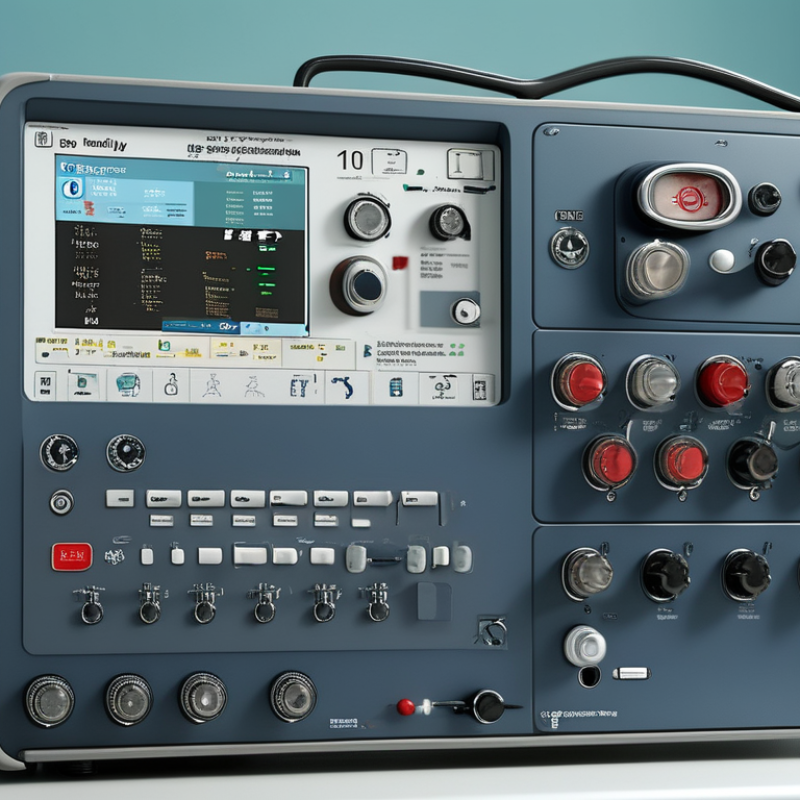
Understanding Blood Transfusion Machines and Their Clinical Purpose
Understanding Blood Transfusion Machines and Their Clinical Purpose
A blood transfusion machine controls the delivery of blood or blood components into a patient’s bloodstream. It supports accurate flow, monitors pressure, and helps reduce risks during treatment. The machine does not replace clinical judgment. Trained healthcare professionals must confirm the patient, blood product, dosage, and prescribed rate before use.
When choosing a device, examine its flow accuracy and alarm functions. Clear alerts can indicate occlusion, air, empty containers, or unusual pressure. Check whether the screen remains readable in a busy ward. Battery performance matters during transport or power interruptions. The system should also work with approved tubing and filters used by the facility. Simple controls reduce mistakes, especially during urgent procedures. Easy cleaning is important too.
Look for documented maintenance procedures, calibration records, and staff training materials. Reliable technical support can prevent unsafe delays when a fault appears. Infection-control requirements should guide the design, not convenience alone. I would also test the machine with real clinical workflows before purchase. A device may appear intuitive during a demonstration but feel confusing beside a patient’s bed. That difference matters. No checklist is perfect. Staff feedback may reveal problems that specifications miss, such as awkward clamps, weak alarms, or difficult data entry. Independent evaluation and local clinical policies should influence the final decision.
10 Tips for Choosing Blood Transfusion Machines? - Understanding Blood Transfusion Machines and Their Clinical Purpose
| Tip | Selection Dimension | Clinical Purpose | What to Verify Before Purchase | Practical Indicator |
|---|---|---|---|---|
| 1 | Infusion Accuracy | Delivers blood components at a controlled rate and supports accurate volume administration, particularly when precise fluid management is important. | Review the specified flow-rate range, accuracy claims, occlusion response, and performance with blood bags, tubing, and the viscosity of the intended component. | Documented accuracy data |
| 2 | Blood Component Compatibility | Helps prevent damage to red blood cells and supports safe administration of red cells, plasma, platelets, and other approved components. | Confirm compatibility with the facility’s blood bags, administration sets, filters, connectors, and anticoagulant systems. Check the manufacturer’s approved-use instructions. | Component-specific compatibility |
| 3 | Air Detection and Control | Detects or limits air entering the patient line, reducing the risk of air embolism and supporting safer infusion practices. | Look for air-in-line detection, automatic stopping or clamping, alarm visibility, alarm audibility, and the ability to test the safety function during routine checks. | Audible and visual alarms |
| 4 | Occlusion Monitoring | Identifies downstream or upstream blockage that could interrupt transfusion or increase pressure in the administration set. | Assess pressure-alarm settings, alarm response time, pressure-release behavior, and whether staff can distinguish an occlusion alarm from other alerts. | Adjustable safety monitoring |
| 5 | Temperature Management | Supports controlled warming when clinically indicated, such as during rapid or high-volume transfusion, while helping avoid excessive heating of blood. | Verify temperature monitoring, independent over-temperature protection, warming performance at the intended flow rate, and clear instructions for use with each blood component. | Monitored and protected warming |
| 6 | Filter and Tubing Design | Helps remove clots, cellular aggregates, and particulate matter from the transfusion path. Standard blood administration commonly uses a suitable blood filter. | Confirm the required filter size and type, tubing priming method, compatible connectors, dead volume, disposable-set availability, and replacement requirements. | Approved disposable pathway |
| 7 | Emergency and Battery Operation | Maintains or safely pauses transfusion during patient transport, power interruption, or emergency relocation. | Review battery runtime under the expected operating load, recharge time, power-failure alarms, manual backup procedures, and battery replacement intervals. | Verified backup capability |
| 8 | User Interface and Alarms | Reduces operation errors by making flow settings, remaining volume, pressure status, and safety alerts easy to interpret at the bedside. | Evaluate screen readability, control layout, alarm prioritization, language options, tamper protection, and the number of steps needed to start or stop an infusion. | Clear bedside operation |
| 9 | Cleaning and Infection Prevention | Supports safe reuse of the external device and reduces contamination risks between patients and transfusion episodes. | Confirm approved cleaning agents, ingress protection, smooth cleanable surfaces, disposable components, spill-management instructions, and compatibility with the facility’s infection-control policy. | Simple validated cleaning process |
| 10 | Training, Maintenance, and Records | Ensures that staff can use the machine correctly and that performance remains within the required safety specifications over its service life. | Review operator training materials, competency requirements, preventive-maintenance schedules, electrical-safety testing, calibration procedures, service documentation, and incident data recording. | Traceable quality system |
Selection should be based on the facility’s transfusion protocols, patient population, blood components, risk assessment, applicable medical-device requirements, and the device’s current instructions for use.
Submit a quote request or book a design consultation
Plastimold Products is an end-to-end product development and manufacturing team. We provide product design, engineering, prototyping, tooling, plastic injection molding, assembly, packaging and fulfillment. We work with any size company from start-ups to enterprises from all around the world.
I have a product I want to manufacture
I have a product that is already designed and now needs to be manufactured.
I need a manufacturer to optimize my product for injection molding, help choose the correct material, and manage the product production.
I have tooling that I want to transfer or modify, or I need to produce new tooling.
I need design and engineering support
I have a product concept that I want to be designed and brought to market.
I have a product that needs to be reviewed, improved or DFM’ed.
I am looking for a manufacturer to provide an end-to-end solution, from design and development to inventory, marketing, and sales.

©2022 Plastimold Products - Privacy policy - Terms and Conditions