
10 Tips for Buying High Quality Cordyceps Extract?

Buying a high-quality Cordyceps Extract requires more than choosing an attractive bottle. The label may show a mountain, a golden mushroom, and confident promises. Those images prove very little. Quality begins with identity, sourcing, processing, testing, and honest communication.

Mycologist Paul Stamets has described mushrooms as “miniature pharmaceutical factories.” That vivid phrase explains their complexity, but it also demands caution. A reliable Cordyceps Extract should clearly identify its species, such as Cordyceps militaris, and state which part was used. It should disclose the extraction method, because hot-water and dual extraction can produce different profiles. Look for measurable beta-glucans, not only vague “mushroom complex” wording. Cordycepin may appear on some labels, but its presence and amount should be independently verified.

Check the certificate of analysis. Really check it. It should address heavy metals, microbes, pesticides, and batch identity. Third-party laboratory testing adds useful confidence, especially when results match the lot number on the package. Manufacturing transparency matters too. A trustworthy producer explains cultivation conditions, storage, serving size, and ingredient sources.

Even careful buyers can miss details. I once focused too heavily on an impressive ingredient panel and overlooked unclear testing information. That was a useful correction. More ingredients do not automatically mean a better extract. Personal goals, allergies, medications, and health conditions also deserve professional review. Cordyceps Extract should support an informed decision, not replace medical advice. These ten practical tips will help readers compare products with clearer expectations, sharper questions, and less marketing confusion.
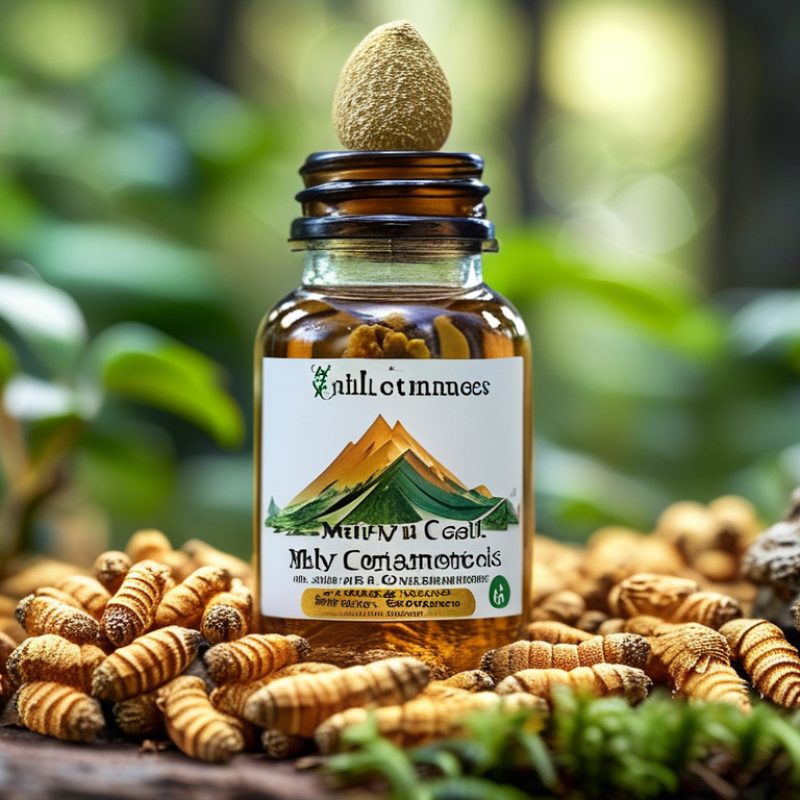
10 Tips for Buying High Quality Cordyceps Extract?

Understanding Cordyceps Extract and Its Common Forms

Cordyceps extract is not one uniform product. It may appear as powder, capsules, liquid drops, or concentrated tablets. Each form offers a different buying experience. Powder mixes easily into warm drinks, but it can clump in a humid cupboard. Capsules provide consistent serving sizes, although they hide the extract’s color and texture. Liquid extracts act conveniently, yet their flavor may be earthy or slightly bitter.

A key tip is checking what the label actually identifies. Look for the Cordyceps species, plant part, extraction method, and extract ratio. Fruiting body and mycelium products are not identical. Neither is automatically better without testing details. A serious seller should provide a recent certificate of analysis for each batch. It should address identity, purity, heavy metals, microbes, and unwanted residues. Vague phrases such as “maximum strength” deserve caution.

Another useful tip is comparing the stated active compounds with the serving size. A large capsule count does not prove quality. Check storage instructions, sealed packaging, expiry dates, and contact information for the responsible manufacturer. I also inspect the powder’s smell and texture, but appearance cannot confirm authenticity. That is easy to forget. People may also overlook personal sensitivities, medication interactions, or pregnancy concerns. A qualified healthcare professional can help assess suitability, especially when product labels remain incomplete.

Checking Species, Source, and Cultivation Methods

High-quality cordyceps extract starts with correct species identification. Cordyceps sinensis is now classified as Ophiocordyceps sinensis, while Cordyceps militaris is a different cultivated species. Do not treat them as interchangeable. A 2023 review in Frontiers in Microbiology reported major differences in cordycepin and polysaccharide levels between species and growing conditions. Check the Latin name, plant part, and extraction ratio on the certificate of analysis. Common names can mislead.

Source and cultivation records matter just as much. Wild Ophiocordyceps sinensis is difficult to authenticate and may carry soil, heavy-metal, or microbial risks. Cultivated fruiting bodies offer clearer batch control, but mycelium-only products need careful labeling. The WHO Good Agricultural and Collection Practices guidelines emphasize traceability, contamination control, and documented harvesting conditions. Look for batch-specific testing, not a generic laboratory statement. USP’s Dietary Supplements Compendium also separates identity, purity, strength, and contaminant testing. That distinction is useful. I would check for arsenic, lead, cadmium, mercury, pesticides, and microbial limits. Extraction claims deserve skepticism. “10:1” describes input material, not guaranteed active compounds. An independent laboratory report is stronger than a polished label. Even then, testing may not cover every adulterant. That limitation should be stated clearly.

Comparing Active Compounds and Extract Potency

Buying high-quality Cordyceps extract requires more than checking a large extract ratio. The active compounds matter more. Cordycepin and adenosine are commonly examined, while beta-glucans and other polysaccharides may indicate broader extract composition. However, their levels can vary between species, cultivation methods, and plant parts. A label showing “10:1” does not prove stronger activity.

Look for the exact Cordyceps species and the material used, such as fruiting bodies or mycelium. Fruiting body extracts may have different compound profiles from cultured mycelium. The extraction method also matters. Hot-water extraction can concentrate many polysaccharides, while alcohol-assisted processing may affect other compounds. Neither method automatically makes a product superior. Check whether testing identifies cordycepin, adenosine, or beta-glucans separately. “Total polysaccharides” is less informative when the laboratory method is unclear.

A reliable certificate of analysis should include batch testing, laboratory methods, and contaminant screening. Heavy metals, microbes, and unwanted residues deserve attention, even when the extract looks clean in a capsule. Compare active-compound amounts per serving, not only the powder weight. Ten grams of weak powder may provide less useful material than one gram of a well-tested extract. Potency claims can also be misunderstood. More is not always better. I would question dramatic promises without human research. Labels are helpful, but imperfect. A careful buyer still needs to check the evidence, serving size, and testing date.

10 Tips for Buying High Quality Cordyceps Extract? - Comparing Active Compounds and Extract Potency

A practical comparison framework for evaluating species, active compounds, potency, testing, and label transparency.

Tip Quality Dimension What to Compare Useful Data or Evidence High-Quality Signal Common Warning Sign
1 Confirm the species Compare Cordyceps militaris, Ophiocordyceps sinensis, and generic “cordyceps” labeling. The scientific name, biological part used, country of origin, and an identity test such as DNA barcoding or microscopy. Species and material are clearly declared and supported by a batch-specific certificate of analysis. Only “cordyceps mushroom” or “fungus extract” is stated without a scientific name.
2 Compare cordycepin Cordycepin is a nucleoside analogue commonly associated with C. militaris extracts. Cordycepin content reported in mg/g or mg per serving, measured by HPLC or another validated chromatographic method. A numerical result is provided for the exact batch, together with the test method and serving size. A high extract ratio is used as a substitute for a measured cordycepin value.
3 Check adenosine content Adenosine is naturally present in fungi, but its amount can vary substantially by species, cultivation, and extraction. Adenosine in mg/g or mg per serving, preferably quantified by HPLC or LC-MS. Adenosine and cordycepin are reported separately rather than combined as an unspecified “active complex.” The label lists “adenosine-rich” without a concentration or laboratory method.
4 Evaluate beta-glucans Beta-glucans are structural polysaccharides; they should not automatically be treated as equivalent to total polysaccharides. Beta-glucans reported as a percentage of dry weight, with the analytical assay identified. The test distinguishes beta-glucans from total polysaccharides and states whether starch or other sugars were excluded. A very high “polysaccharide” percentage is advertised without beta-glucan-specific testing.
5 Review the extraction method Hot-water extraction favors many water-soluble polysaccharides; ethanol or hydroethanolic extraction can recover more lipophilic compounds. Solvent, temperature, extraction time, number of extraction cycles, and final concentration. The method is disclosed and matches the compounds being standardized. “Full spectrum” is used without explaining the solvent or process.
6 Interpret the extract ratio correctly A 10:1 ratio means that 10 parts starting material were used to produce 1 part extract; it does not prove tenfold active-compound potency. Starting-material weight, extract weight, yield, and measured active compounds. The ratio is accompanied by actual mg-per-serving values and a defined raw-material basis. A high ratio is the only potency evidence provided.
7 Check for ergosterol and other markers Ergosterol is a fungal sterol that can support fungal-material profiling, but it is not a universal potency marker by itself. Ergosterol, mannitol, nucleosides, and other declared markers measured with validated laboratory methods. Multiple complementary markers are used to assess identity and consistency. One isolated marker is presented as proof of overall effectiveness or authenticity.
8 Demand independent testing Compare laboratory results for identity, potency, microbial quality, heavy metals, pesticides, and residual solvents. A batch number, test date, laboratory name or accreditation, method, result, and specification. The certificate of analysis matches the product lot and reports both active compounds and contaminants. An undated generic certificate or “third-party tested” claim without test results.
9 Compare potency per serving Compare the actual amount of extract and quantified compounds delivered per serving, not only the capsule weight. Use: compound concentration × extract mass per serving = compound amount per serving. The serving size, extract mass, concentration units, and daily amount are all clear. “1,000 mg equivalent” appears without stating the actual extract weight or active-compound content.
10 Assess stability and label integrity Heat, moisture, oxygen, light, and long storage can affect powder quality and measured potency. Manufacturing date, expiry date, storage instructions, moisture-control packaging, allergen statement, and complete ingredient list. The label is traceable, sealed, batch-coded, and supported by stability or retest information where appropriate. No expiry date, no storage guidance, unclear fillers, or inconsistent active-compound values across documents.

How to compare potency

For a fair comparison, convert all results to the same basis, preferably milligrams of quantified compound per serving. Extract-ratio claims, total polysaccharides, and capsule weight are not interchangeable with measured cordycepin, adenosine, or beta-glucan content.

Note: There is no universally accepted minimum concentration for cordycepin, adenosine, beta-glucans, or other cordyceps extract markers. Values should be interpreted together with species identity, analytical method, batch documentation, and applicable local regulations.

Evaluating Testing, Purity, and Contamination Controls

High-quality cordyceps extract begins with evidence, not attractive packaging. Ask for a batch-specific certificate of analysis, or COA. It should state species identity, extraction ratio, beta-glucan content, and testing dates. DNA barcoding can confirm raw material identity, while HPLC or LC-MS can measure key compounds. The U.S. Pharmacopeia’s Dietary Supplements Compendium stresses identity, strength, purity, and contaminant control as separate quality requirements. One test cannot prove everything.

Contamination deserves closer attention. Request results for lead, arsenic, cadmium, mercury, pesticides, microbes, and residual solvents. Heavy-metal limits should follow recognized standards, such as USP or current national requirements. The FDA’s Tainted Products Marketed as Dietary Supplements database contains more than 1,000 entries, showing why supplier claims need independent verification. That database is not cordyceps-specific, but it reflects a real industry risk. Look for laboratory accreditation, validated methods, and clear detection limits. “Pass” is weak without numbers.

I would also check whether the report tests the finished extract, rather than only the mushroom powder. Ask how samples are collected. A single clean test may miss uneven contamination. That part is often overlooked. Finally, compare the declared beta-glucan result with the label and serving size. Cordycepin figures can be confusing, especially when species and extraction methods differ. Independent testing helps, but it is not infallible; unclear chain-of-custody records should make any careful buyer pause.

Assessing Suppliers, Labels, Storage, and Value

When buying cordyceps extract, assess the supplier before admiring the packaging. A reliable supplier should identify the species, growing method, extraction process, and production location. Ask for a recent certificate of analysis linked to the exact batch. It should show identity, active compounds, microbial testing, heavy metals, and pesticide screening. Vague claims such as “premium strength” are not enough. The testing laboratory should be independent and clearly named. Small details matter.

Read the label like a technician, not a shopper. Check the extract ratio, serving size, capsule contents, and suggested storage conditions. Some products list only “cordyceps” without explaining whether they use fruiting bodies or cultured mycelium. That difference can affect composition and price. A high milligram number may still represent a weak extract. I would compare the cost per serving and the tested active content, not the bottle size. This takes longer.

Storage can quietly reduce quality. Keep the container tightly closed, away from sunlight, steam, and warm kitchen shelves. A dry cupboard is usually better than a bathroom cabinet. Use a clean, dry spoon when handling powder. If the seal is broken, the powder smells unusual, or moisture forms inside, pause before using it. I have found labels easier to trust than marketing pages, although labels can also be incomplete. That is worth questioning. Choose products with traceable batches, clear contact details, and realistic language rather than dramatic promises.

Submit a quote request or book a design consultation

Plastimold Products is an end-to-end product development and manufacturing team.  We provide product design, engineering, prototyping, tooling, plastic injection molding, assembly, packaging and fulfillment.  We work with any size company from start-ups to enterprises from all around the world.

I have a product I want to manufacture

I have a product that is already designed and now needs to be manufactured. 

I need a manufacturer to optimize my product for injection molding, help choose the correct material, and manage the product production.

I have tooling that I want to transfer or modify, or I need to produce new tooling.

I need design and engineering support

I have a product concept that I want to be designed and brought to market.

I have a product that needs to be reviewed, improved or DFM’ed.

I am looking for a manufacturer to provide an end-to-end solution, from design and development to inventory, marketing, and sales.
