
What Is a Pipeline Filter and How Does It Work?

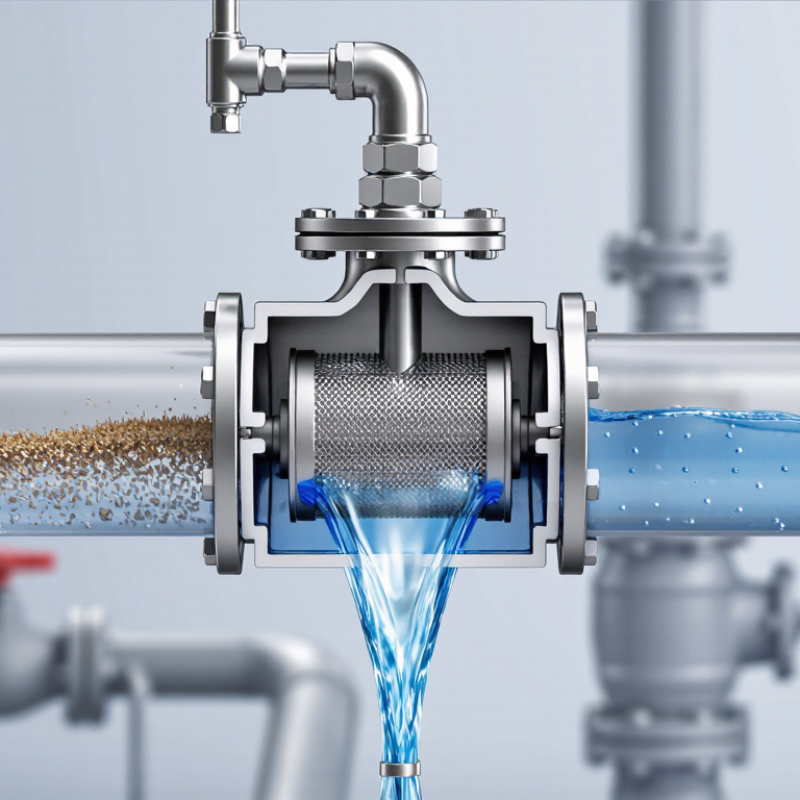
A Pipeline Filter is a protective device installed inside a fluid transport system. It removes unwanted particles before they reach pumps, valves, meters, heat exchangers, or production equipment. These particles may include rust, sand, welding debris, scale, or fragments from aging pipework. The filter usually contains a screen, perforated basket, cartridge, or other filtering element. As fluid passes through, contaminants remain trapped while the cleaned flow continues downstream.

Its operation is practical, but not always simple. Filter performance depends on particle size, flow rate, pressure, fluid temperature, and material compatibility. A coarse strainer can protect a pump from large debris, while a fine cartridge filter captures smaller particles. However, finer filtration often creates greater pressure loss. That trade-off matters. A blocked element may also reduce flow, increase energy use, and place stress on connected equipment.

A reliable selection process begins with the pipeline’s operating data and the manufacturer’s specifications. Check the rated flow, filtration accuracy, maximum pressure, drain design, and replacement requirements. Directional arrows on the housing should match the actual flow path. Small details matter here. Regular inspection can reveal rising differential pressure, damaged seals, or unusual contamination levels. Still, no Pipeline Filter solves every system problem. Poor installation, incorrect sizing, or delayed maintenance can reduce its value quickly. In real facilities, conditions may change after commissioning, so the original design deserves periodic review. This article explains the main filter types, their working principles, and the practical decisions that support safer, cleaner, and more dependable pipeline operation.
What Is a Pipeline Filter and How Does It Work?

What Is a Pipeline Filter and What Purpose Does It Serve?

What Is a Pipeline Filter and What Purpose Does It Serve?

A pipeline filter is an inline device that removes unwanted particles from moving gas or liquid. It protects valves, meters, pumps, compressors, and sensitive instruments from damage. As fluid enters the housing, a mesh, perforated basket, or cartridge captures rust, sand, scale, and welding debris. Coarse strainers handle larger particles. Fine elements capture smaller contaminants. The correct choice depends on particle size, flow rate, pressure, temperature, and fluid chemistry. Pressure drop matters. A dirty element restricts flow and increases energy use. Operators often monitor differential pressure across the filter. That reading gives a practical warning before performance declines.

The purpose is protection, reliability, and cleaner process flow. The U.S. Pipeline and Hazardous Materials Safety Administration’s 2023 pipeline inventory records more than 2.6 million miles of gas distribution mains and service lines. Even small contamination risks become significant across such extensive networks. A filter can prevent one loose fragment from reaching a control valve or damaging a meter seat. It cannot repair corrosion or stop a leak. That limitation is easy to overlook. The International Energy Agency’s Global Methane Tracker 2024 estimates that fossil fuel operations released about 120 million tonnes of methane in 2023, highlighting the importance of broader integrity management. Filter selection should therefore support inspection, pressure monitoring, drainage, and scheduled cleaning, rather than serve as a standalone safeguard.

How Does a Pipeline Filter Remove Contaminants?

A pipeline filter is a controlled barrier that captures unwanted particles before they damage equipment or affect product quality. It may use a perforated basket, mesh screen, cartridge, or coalescing element. The correct design depends on pipe size, flow rate, fluid viscosity, and contaminant type. A filter meant for sand will not necessarily remove water droplets or fine rust.

How does a pipeline filter remove contaminants?

Fluid enters the housing and slows or changes direction. Larger particles lose momentum and settle against the filter element. Smaller particles become trapped when they pass through narrow openings. Coalescing filters combine tiny liquid droplets into larger drops, allowing gravity to drain them. Magnetic elements can capture ferrous debris. Operators monitor differential pressure across the filter. A rising pressure reading usually indicates loading and restricted flow.

The 2016 NACE IMPACT study estimated global corrosion costs at about $2.5 trillion annually, or 3.4% of global GDP. This figure shows why debris control deserves serious attention. Still, filtration is not a complete corrosion strategy. It can miss dissolved contaminants, damaged particles, or poorly selected materials.

Tips: Check the filter before commissioning. Confirm its micron rating, pressure limit, drain arrangement, and cleaning access. Record differential pressure during normal operation. Field experience often reveals what specifications overlook. A slightly dirty filter may be working well, but ignoring pressure loss can create a new failure point. The U.S. Environmental Protection Agency’s 2023 infrastructure survey estimated drinking-water needs at $625 billion over twenty years, reinforcing the value of maintainable treatment equipment.

What Are the Main Types of Pipeline Filters?

What Is a Pipeline Filter and How Does It Work?

Pipeline filters remove solids, moisture, oil, or unwanted particles from flowing liquids and gases. Their main purpose is simple: protect pumps, valves, meters, and downstream equipment. Filter selection depends on particle size, pressure, temperature, flow rate, and maintenance access.

The main types serve different operating conditions. Y-strainers use a compact mesh screen and suit smaller pipelines with moderate debris. Basket strainers hold more material and work well in high-flow liquid systems. Duplex strainers use two chambers, allowing operators to clean one side without stopping production. Automatic self-cleaning filters reduce manual intervention through backwashing or mechanical scraping. Cartridge filters provide finer separation, but replacement costs can rise quickly. Coalescing filters remove liquid droplets from compressed gas, while magnetic filters capture ferrous particles in selected process lines.

The U.S. EPA’s 2023 Drinking Water Infrastructure Needs Survey estimates $625 billion in investment over 20 years. That figure shows why reliable protection matters. Yet infrastructure budgets alone cannot identify the right filter. A finer mesh is not always better. It may increase pressure loss and energy use. This is an easy detail to overlook.

Tips: Measure pressure before and after the filter during normal flow. Record cleaning intervals, particle loads, and temperature changes. A duplex design may justify its cost where shutdowns are expensive. Check calculations against recognized engineering standards, and review field data before final selection.

What Is a Pipeline Filter and How Does It Work? — Main Types of Pipeline Filters

Pipeline Filter Type How It Works Primary Purpose Typical Contaminants Removed Common Installation Position Main Advantages Key Limitations or Maintenance Needs
Basket Strainer Flow passes through a removable perforated basket or mesh element that captures solid particles. Protecting pumps, valves, meters, and other downstream equipment. Large debris, scale, rust flakes, weld slag, and other coarse solids. Upstream of pumps, control valves, heat exchangers, and flow meters. Simple construction, reusable element, low operating cost, and relatively easy cleaning. The basket must be removed or cleaned when pressure drop increases; it is not intended for very fine filtration.
Y-Strainer A Y-shaped body directs the fluid through a sloped cylindrical screen that retains suspended solids. Continuous protection of equipment in compact piping layouts. Sand, pipe scale, rust, and other relatively coarse suspended particles. Near equipment in horizontal or vertical pipelines, subject to flow-direction requirements. Compact design, broad availability, and suitability for liquids, gases, and steam when properly specified. Screen capacity is limited; frequent cleaning may be required in heavily contaminated service.
Duplex Strainer Two strainer chambers are connected with a changeover valve, allowing one chamber to operate while the other is cleaned. Maintaining filtration without stopping the pipeline. Coarse and medium-sized solid particles, including scale and process debris. Continuous-process lines, fuel systems, cooling-water systems, and critical equipment protection. Enables online element cleaning and reduces production interruptions. Higher purchase cost, larger footprint, and more complex valve operation than a single strainer.
Cartridge Filter Fluid flows through a replaceable cartridge made from materials such as pleated synthetic media, cellulose, or wire mesh. Fine particle removal and final-stage protection. Fine sediment, particulate matter, rust, and process solids; the exact range depends on the cartridge rating. Downstream of coarse pre-filters and upstream of sensitive equipment or clean-process points. Available in a wide range of filtration ratings and media types; provides consistent filtration. Cartridges require replacement or cleaning, and pressure drop rises as the media loads with solids.
Bag Filter Liquid flows through a fabric or felt bag, while suspended particles are captured within or on the filter media. High-volume liquid filtration with relatively quick element replacement. Suspended solids, sediment, rust, and process particles in liquid streams. Process-water lines, cooling systems, chemical-transfer lines, and prefiltration stages. Handles comparatively high solids loading and permits fast bag changes. Generally used for liquid service; the bag must be replaced or cleaned when the differential pressure becomes excessive.
Automatic Self-Cleaning Filter A control system detects rising differential pressure and initiates a cleaning cycle using backwashing, suction, brushing, or scraping. Continuous filtration where manual cleaning would cause unacceptable downtime. Suspended solids, organic matter, scale, and other particles depending on the cleaning design. Industrial water systems, irrigation, cooling-water circuits, and continuous process lines. Reduces manual intervention and can maintain filtration during operation. Requires controls, actuators, a suitable drain or backwash arrangement, and regular inspection.
Coalescing Filter Specialized media combine small liquid droplets or aerosols into larger droplets that can separate by gravity or drainage. Removing liquid carryover from gas or compressed-air streams. Oil aerosols, water droplets, and fine liquid mist. Compressed-air systems, gas pipelines, instrument-air lines, and upstream of sensitive gas equipment. Improves gas quality and protects pneumatic, measurement, and process equipment. Requires correct flow velocity and drainage; excessive liquid loading can increase pressure drop and reduce performance.
Gas Separator or Knockout Filter Flow velocity is reduced or redirected so that entrained liquid and larger solids separate from the gas and collect in a vessel. Bulk removal of liquids and solids from gas pipelines. Free liquids, condensate, sand, and larger solid particles. Upstream of compressors, gas meters, regulators, and gas-processing equipment. Provides high-capacity bulk separation and protects downstream equipment from liquid slugs. Does not normally replace fine filtration; collected liquids and solids require controlled draining and disposal.
Magnetic Filter Permanent magnets or magnetic elements attract and retain ferrous particles as the fluid passes through the housing. Removing ferrous contamination from compatible liquid systems. Iron filings, steel wear particles, and other magnetically responsive debris. Lubrication systems, hydraulic circuits, cooling systems, and metalworking processes. Reusable collection element, no disposable media, and low resistance when properly sized. It does not effectively remove nonmagnetic solids, dissolved substances, or most organic contaminants.
Membrane Filter A semi-permeable membrane separates particles or microorganisms according to pore size and the pressure-driven process used. Very fine filtration, clarification, or microorganism reduction. Fine particles, colloids, bacteria, and other retained substances depending on membrane type and pore size. Water treatment, pharmaceutical processes, food processing, and high-purity fluid systems. Can provide highly consistent separation and precise control of retained particle size. More sensitive to fouling, requires pretreatment in many applications, and may need cleaning or replacement.
Activated Carbon Filter Porous carbon adsorbs certain dissolved organic compounds, odors, chlorine, and taste-producing substances from the fluid. Chemical polishing rather than ordinary particle removal. Some organic compounds, chlorine, odors, and taste-related substances, depending on carbon type and contact time. Water-treatment lines and selected liquid or gas purification systems. Useful for adsorption-based treatment and improvement of odor or taste characteristics. Adsorption capacity is limited; it does not remove all dissolved contaminants and requires timely media replacement.

Filter selection should consider the fluid, operating temperature and pressure, flow rate, contaminant size and concentration, allowable pressure drop, required filtration level, cleaning method, and applicable safety requirements.

How Is a Pipeline Filter Installed and Maintained?

What Is a Pipeline Filter and How Does It Work?

How Is a Pipeline Filter Installed and Maintained?

A pipeline filter removes solids before they damage pumps, valves, meters, or downstream equipment. Installation begins with a controlled shutdown. Operators isolate the line, release pressure, drain trapped fluid, and verify zero energy. The filter housing must match the pipe rating, fluid chemistry, temperature, and expected flow. Install the flow arrow correctly. Support the housing independently, especially on vibrating lines. A small drain valve also makes cleaning safer and faster.

After installation, open upstream and downstream valves slowly. Check flange joints, gaskets, and the differential-pressure gauge. Record the clean-filter pressure drop as a baseline. ISO 16889 evaluates filter performance through multipass testing and beta ratios. This matters because a filter with low pressure loss may not capture the required particle size. According to MarketsandMarkets’ 2024 Industrial Filtration Market report, the industrial filtration market could grow from about 44 billion dollars in 2024 to more than 66 billion dollars by 2029. That growth reflects stricter process-control needs, not a reason to oversize every filter.

Tips: Monitor pressure difference.

Replace or clean the element when pressure loss reaches the manufacturer’s limit. Inspect seals during every opening. Follow API 570 principles for documented inspection planning on applicable process piping. Calendar-only replacement looks simple, but it can waste media or miss sudden blockage. Real systems are less tidy. Keep records of flow, pressure, element condition, and cleaning dates. That data improves the next maintenance decision.

Which Factors Determine the Right Pipeline Filter?

A pipeline filter removes unwanted particles before they damage pumps, valves, meters, or downstream equipment. As fluid passes through a filter element, solids remain on its surface or inside its media. The cleaned fluid continues through the line. Simple in principle.

Choosing the right pipeline filter starts with the fluid itself. Water, oil, chemicals, and abrasive slurries behave differently. Viscosity affects pressure loss and flow capacity. Particle size determines the required filtration rating. A filter rated at 50 microns may protect a pump, but it may not protect a precision valve. Flow rate matters too. An undersized housing can create excessive pressure drop and frequent cleaning. The system’s operating pressure and temperature must match the filter body, seals, and element materials.

Maintenance conditions also shape the decision. A manually cleaned filter may suit a small line with easy access. Larger systems may need automatic cleaning or a duplex arrangement, allowing one chamber to operate while the other is serviced. Installation space, drain access, replacement frequency, and local engineering requirements deserve attention. In practice, selecting a filter from flow data alone is a common mistake. Real operating conditions can vary with temperature, startup demand, and unexpected contamination. Field testing and pressure readings often reveal problems that a specification sheet misses.

What Is a Pipeline Filter and How Does It Work?

A pipeline filter removes suspended particles from liquids or gases as the fluid passes through a screening or filtering element. The correct filter depends on the required particle size, flow rate, pressure-drop limit, contaminant load, fluid compatibility, and maintenance method.

Filter Performance Measured by ISO 16889 Beta Ratios

The beta ratio compares the number of particles upstream with the number downstream at a specified particle size. The efficiency is calculated as 1 − 1/β. A higher beta ratio indicates greater particle-count removal efficiency, but it may also increase pressure drop and maintenance requirements.

Submit a quote request or book a design consultation

Plastimold Products is an end-to-end product development and manufacturing team.  We provide product design, engineering, prototyping, tooling, plastic injection molding, assembly, packaging and fulfillment.  We work with any size company from start-ups to enterprises from all around the world.

I have a product I want to manufacture

I have a product that is already designed and now needs to be manufactured. 

I need a manufacturer to optimize my product for injection molding, help choose the correct material, and manage the product production.

I have tooling that I want to transfer or modify, or I need to produce new tooling.

I need design and engineering support

I have a product concept that I want to be designed and brought to market.

I have a product that needs to be reviewed, improved or DFM’ed.

I am looking for a manufacturer to provide an end-to-end solution, from design and development to inventory, marketing, and sales.
