
What Is Metallized Film and How Is It Used?
Metallized Film is a plastic film coated with an extremely thin layer of metal, usually aluminum. The coating gives the film a bright, mirror-like surface. It also improves resistance to light, oxygen, and moisture. Unlike solid foil, Metallized Film remains lightweight and flexible. You can bend it, seal it, and laminate it with other materials.
Manufacturers commonly use polyester, polypropylene, or polyethylene as the base film. Vacuum deposition places the metal layer onto the moving film surface. The finished material may appear silver, gold, or partially transparent. Its performance depends on coating thickness, film structure, sealing conditions, and storage. A snack package may use it to protect aroma and crispness. Insulation products can reflect radiant heat. Labels, balloons, decorative ribbons, and electronic components also use related films.
The material is useful, but it is not a universal barrier. Tiny scratches, poor seals, or incorrect handling can reduce protection. Recycling can also become complicated when plastic and metal layers are bonded together. This point is often overlooked. Product developers should test the actual laminate, not judge performance by appearance alone. Independent barrier, seal-strength, and durability tests provide more reliable evidence. In practice, the best choice balances protection, cost, appearance, processing speed, and end-of-life requirements. Specifications vary widely between suppliers. Therefore, buyers should confirm technical data and intended-use conditions before production. Experience matters here. A shiny surface does not automatically mean superior performance.
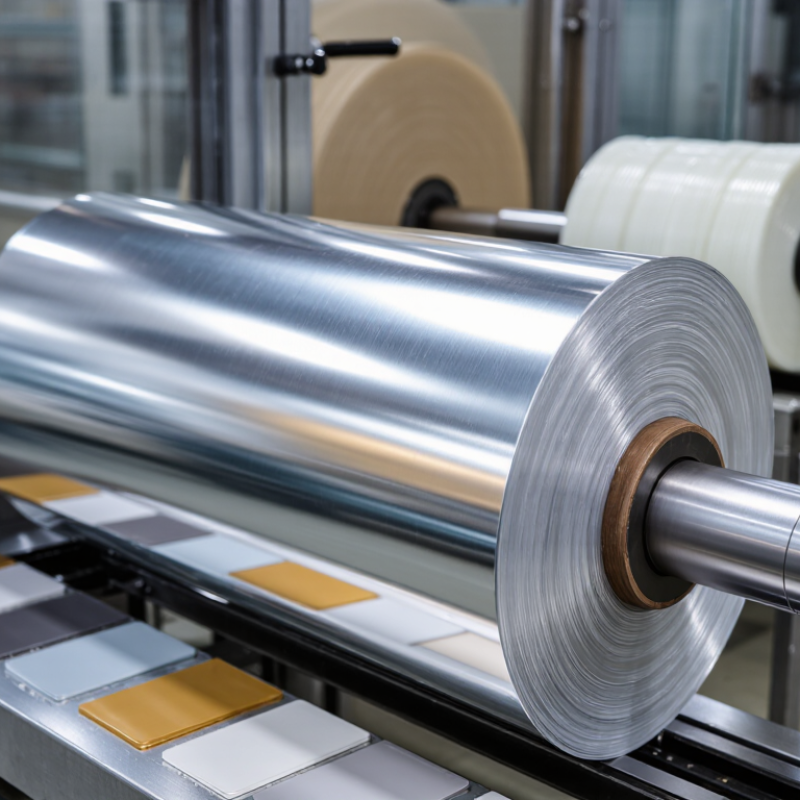
Definition and Basic Structure of Metallized Film
Metallized film is a polymer film carrying an extremely thin metal coating, usually aluminum. Its basic structure is simple: a plastic substrate, a deposited metal layer, and sometimes a protective coating or sealant layer. Common substrates include polyester, polypropylene, and polyethylene films. During vacuum metallization, aluminum vapor condenses onto the moving film surface. The metal layer is often only 20–100 nanometers thick. It looks like foil, but it is much lighter and more flexible.
The structure creates a useful balance. The polymer provides strength and heat resistance. The metal layer reflects light and reduces the passage of oxygen, moisture, and aroma. A sealant layer can improve package closing and protect the coating during handling. However, metallized film is not automatically a complete barrier. Tiny scratches, folds, or poor sealing can weaken performance. That detail is often overlooked.
According to Mordor Intelligence’s 2024 market assessment, the global metallized films market is expected to grow from roughly USD 3 billion in the mid-2020s toward more than USD 4 billion by the end of the decade. Smithers’ flexible packaging research also identifies barrier films as an important material group for lightweight packaging development. These figures suggest strong demand, but market forecasts are not guarantees. In factory testing, oxygen transmission rate, water vapor transmission rate, seal strength, and coating adhesion should be measured together. A shiny surface alone proves very little.
Materials and Manufacturing Process of Metallized Film
What Is Metallized Film and How Is It Used?
Materials and Manufacturing Process of Metallized Film
Metallized film is a plastic film coated with an extremely thin metal layer, usually aluminum. Common base materials include PET, BOPP, and polyethylene. PET offers strength and dimensional stability, while BOPP provides useful moisture resistance. The selected substrate depends on packaging, insulation, labeling, or decorative requirements.
Production starts with film cleaning and surface treatment. Corona treatment can improve the film’s surface energy and help the metal adhere. The prepared film enters a vacuum chamber, where aluminum wire is heated until it vaporizes. The vapor condenses across the moving film as a bright, continuous layer. Coating thickness must remain carefully controlled.
Too much metal reduces flexibility.
Too little metal weakens barrier performance.
After deposition, operators inspect the roll for pinholes, wrinkles, uneven gloss, and poor adhesion. Slitting machines then cut the large roll into narrower widths. Testing may measure oxygen transmission, water vapor resistance, optical density, tensile strength, and seal performance. These checks connect laboratory results with practical production needs.
A common manufacturing mistake is treating the coating as the only important layer. In reality, film tension, winding pressure, storage humidity, and sealing temperature can change performance. Even a visually attractive roll may fail during conversion. Better results come from matching materials, coating conditions, and end-use testing rather than relying on appearance alone.
Key Properties That Determine Its Performance
What Is Metallized Film and How Is It Used?
Key Properties That Determine Its Performance
Metallized film is a polymer film coated with an extremely thin metal layer, often aluminum. The coating creates a bright, reflective surface without adding the weight of solid metal. It is used in flexible packaging, insulation, decorative laminates, labels, and electrical components.
Barrier performance is usually the first property engineers examine. A continuous metal layer can reduce oxygen, moisture, and light transmission. However, tiny pinholes, scratches, and weak edges may lower protection. Film thickness matters, but coating uniformity often matters more. A thicker layer is not automatically better.
Reflectivity and opacity control appearance and light shielding. Tensile strength helps the film survive winding, transport, and forming. Heat-sealing behavior depends on the polymer structure, coating side, and processing temperature. Adhesion must also remain stable when the film bends or meets ink, adhesive, or another laminate. Poor adhesion can cause flaking. That is costly.
Electrical conductivity is useful in capacitors and electromagnetic shielding, while low surface resistance supports charge control. In practical testing, samples should face humidity, heat, flexing, and repeated handling. Laboratory results can look excellent, yet production rolls may reveal wrinkles or uneven coating. That gap deserves attention. Performance is a balance among barrier strength, durability, processing stability, and the final application.
Main Applications Across Packaging and Industry
What Is Metallized Film and How Is It Used?
Main Applications Across Packaging and Industry
Metallized film is a thin plastic film coated with a microscopic metal layer, often aluminum. Vacuum deposition creates a bright, reflective surface. The coating is extremely thin. It changes appearance, barrier performance, and heat behavior without adding much weight.
In flexible packaging, metallized film helps limit oxygen, moisture, light, and aroma transfer. Snack packs, coffee pouches, confectionery wrappers, and dry-food sachets commonly use it. The reflective layer can also improve shelf visibility. During packaging trials, technicians should test oxygen transmission, water-vapor transmission, seal strength, and coating adhesion. A shiny surface alone proves very little.
The film also serves industrial purposes. It can reflect radiant heat in insulation systems, support decorative laminates, and improve the appearance of labels or gift materials. Some electrical and technical products use coated films for controlled conductivity or shielding. However, bending, scratching, and poor lamination can damage the metal layer. It is not a perfect shield. Recycling can also become complicated when plastic combines with coatings, adhesives, or other layers. Engineers must match the film structure with the product, filling process, storage climate, and disposal pathway. A lower-cost structure may fail if flex cracking reduces its barrier performance.
Advantages, Limitations, and Selection Considerations
Metallized film is plastic film coated with a microscopic aluminum layer. The coating reflects light, improves appearance, and can slow oxygen and moisture transmission. According to Grand View Research’s 2024 market analysis, the global metallized films market is projected to grow at about 5% annually through 2030. That growth reflects demand for lighter flexible packaging, not unlimited performance.
Its main advantage is barrier efficiency with low material use. Metallized polyester can reduce light exposure and support longer shelf life for dry foods, coffee, and technical products. Flexible Packaging Association data reports that flexible packaging represented about 21% of the U.S. packaging market by sales in 2023. Still, the shiny surface can hide weaknesses. Folding, pinholes, printing, and heat sealing may damage the metal layer. Barrier performance also drops sharply when the film is creased or poorly laminated. It is not automatically a recyclable solution.
Selection requires measured evidence. Compare oxygen transmission rate, water vapor transmission rate, seal strength, puncture resistance, and coating adhesion under expected humidity and temperature. Smithers’ metallized-film industry outlook identifies barrier consistency and recyclable structures as continuing development priorities. Ask for test conditions, not only headline values. A film showing 1 cc/m²/day oxygen transmission in a laboratory may perform differently after converting. I have seen specifications look excellent until a sharp fold exposes the real limitation. Cost, machine speed, end-use protection, and local recycling infrastructure must be assessed together.
Article Source:
Submit a quote request or book a design consultation
Plastimold Products is an end-to-end product development and manufacturing team. We provide product design, engineering, prototyping, tooling, plastic injection molding, assembly, packaging and fulfillment. We work with any size company from start-ups to enterprises from all around the world.
I have a product I want to manufacture
I have a product that is already designed and now needs to be manufactured.
I need a manufacturer to optimize my product for injection molding, help choose the correct material, and manage the product production.
I have tooling that I want to transfer or modify, or I need to produce new tooling.
I need design and engineering support
I have a product concept that I want to be designed and brought to market.
I have a product that needs to be reviewed, improved or DFM’ed.
I am looking for a manufacturer to provide an end-to-end solution, from design and development to inventory, marketing, and sales.

©2022 Plastimold Products - Privacy policy - Terms and Conditions

