
What is Lube Oil Centrifuge and How Does it Work?
A Lube Oil Centrifuge is an essential piece of equipment in various industrial sectors. It focuses on separating impurities from lubricating oils. The process maximizes the oil’s lifespan and enhances performance. Many industries rely on this technology for optimal machinery functionality.
In a Lube Oil Centrifuge, the oil undergoes high-speed rotation, creating a centrifugal force. This force acts on particles with different densities. As a result, contaminants separate from the oil. The clean oil can then be reused, reducing costs and environmental impact. Companies appreciate the efficiency and reliability of this system.
However, it is crucial to understand its limitations. Regular maintenance is necessary to ensure optimal performance. Operator training is also vital. Mistakes in handling can lead to inefficiencies. By addressing these challenges, industries can fully benefit from Lube Oil Centrifuge technology.
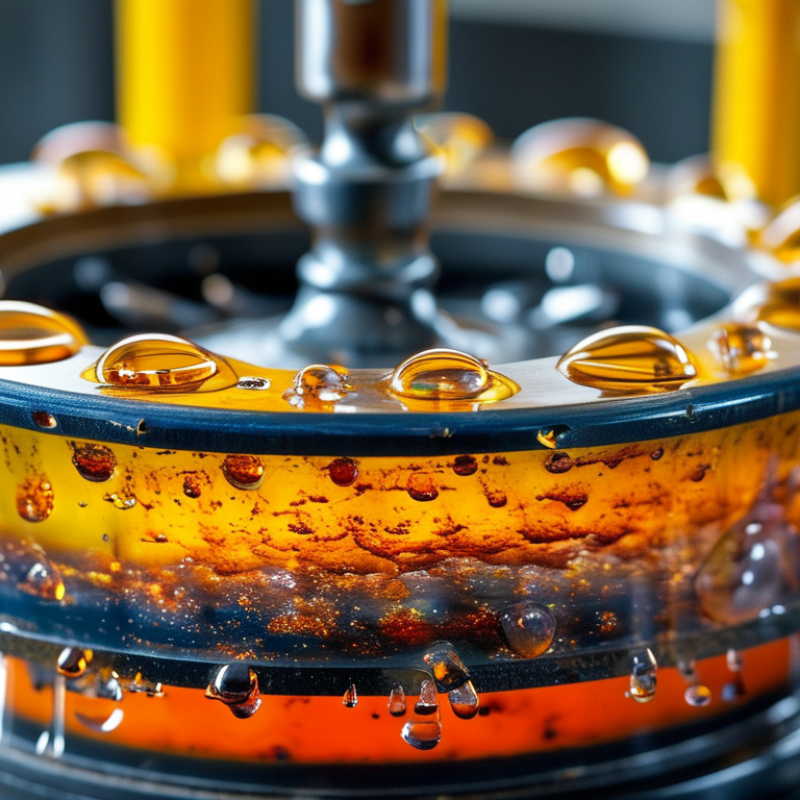
Definition of Lube Oil Centrifuge and Its Purpose
A lube oil centrifuge is a critical component in the maintenance of industrial machinery. It effectively removes impurities from lubricating oil, enhancing engine performance and extending equipment life. Lube oil often contains harmful particles like dirt, soot, and water, which can severely impact engine efficiency. According to industry studies, up to 60% of engine wear is caused by contaminants in the lubricant. Therefore, using a lube oil centrifuge is essential for proactive maintenance.
The primary purpose of a lube oil centrifuge is to separate contaminants based on density differences. As oil enters the centrifuge, it spins at high speeds. The centrifugal force pushes the heavier particles outward, allowing clean oil to flow back into the system. This process not only improves oil quality but also reduces the frequency of oil changes, leading to significant cost savings. Reports indicate that effective filtration can reduce lubricant consumption by up to 30%.
Tips: Regular monitoring of your centrifuge's performance can prevent costly downtime. Ensure to check the oil viscosity regularly. Also, consider the operating conditions when determining maintenance intervals. Not every centrifuge operates efficiently under all circumstances; understanding your specific needs can lead to better results.
Components of a Lube Oil Centrifuge and Their Functions
A lube oil centrifuge plays a critical role in maintaining the purity of lubricating oils in various industrial applications. It efficiently separates contaminants from the oil, ensuring optimal performance of machinery. Understanding its components is essential for grasping how it functions effectively.
The key components include the bowl, motor, and feed system. The bowl is the heart of the centrifuge. It spins at high speeds, creating a powerful centrifugal force. This force separates heavier particles, such as dirt and soot, from the oil. The motor drives the bowl, enabling it to achieve the necessary rotation. Without the motor's reliability, the process would fail, leading to oil contamination.
The feed system regulates the flow of oil into the bowl. A well-designed feed ensures that the oil enters smoothly, reducing hazards. However, improper settings can lead to inefficient separation. It's crucial to regularly check and maintain these components, as neglect can result in operational failures. Regular monitoring enhances both longevity and efficiency.
Operating Principles of a Lube Oil Centrifuge Explained
A lube oil centrifuge is essential in maintaining the cleanliness and efficiency of lubrication systems. These devices utilize centrifugal force to separate contaminants from lubricating oils. The operating principle is straightforward yet effective. When the lube oil enters the centrifuge, it spins at high speeds. This action creates a force that pushes heavier particles—such as dirt and sludge—towards the outer edge of the bowl, while the cleaner oil remains in the center.
According to industry reports, a well-functioning lube oil centrifuge can remove up to 99% of particulates larger than 1-micron size. This efficiency significantly extends the life of the oil and reduces the need for frequent oil changes. However, achieving optimal performance requires careful monitoring. Factors such as oil viscosity and flow rate can impact separation efficiency. If not properly adjusted, some contaminants may remain in the oil, undermining the benefits of the centrifuge.
Despite their advantages, lube oil centrifuges may face challenges such as wear and maintenance issues. Regular inspections are crucial to ensure they operate effectively. Some reports indicate that neglecting maintenance can lead to reduced performance and increased operational costs. Understanding these nuances can help organizations make informed decisions when integrating lube oil centrifuges into their systems.
Lube Oil Centrifuge Efficiency Analysis
This bar chart illustrates the efficiency of a lube oil centrifuge in separating contaminants over different operational speeds. The data shows the percentage of contaminants removed at various RPM (Revolutions Per Minute) settings.
Applications of Lube Oil Centrifuge in Various Industries
Lube oil centrifuges are essential in many industries, providing effective solutions for oil purification. In marine and industrial applications, these centrifuges help separate contaminants from lubricants. This process ensures optimal performance and prolongs the lifespan of machinery. According to a report by the International Maritime Organization, improper lubrication can cause up to 30% of engine failures in marine engines.
In the automotive sector, lube oil centrifuges are increasingly used to enhance efficiency. They effectively remove particles and sludge, which can accumulate in engines. Research indicates that using such centrifuges can improve oil cleanliness by over 90%. This not only improves engine performance but also reduces the frequency of oil changes, promoting more sustainable practices in vehicles.
The power generation sector also benefits significantly from lube oil centrifuges. These systems maintain the quality of lubricating oil for turbines and generators. Data from the U.S. Department of Energy reveals that maintaining clean lubricants can boost efficiency by 5-10%. However, issues with oil quality still occur, indicating that more awareness and better practices are necessary across all industries that utilize these systems.
Maintenance and Troubleshooting Tips for Lube Oil Centrifuges
Lube oil centrifuges play a crucial role in ensuring the longevity and performance of machinery. Regular maintenance is essential to keep these systems running efficiently. Industry reports suggest that improper maintenance can reduce centrifuge efficiency by up to 30%. This emphasizes the need for strict adherence to maintenance schedules.
To keep a lube oil centrifuge in top shape, begin with routine inspections. Check for unusual vibrations or noises. These can indicate internal issues that may require immediate attention. Regularly cleaning the separator and inspecting the bowl can prevent a buildup of contaminants.
Additionally, monitor the temperature of the machine. An increase in operating temperature might signal problems with lubricants or mechanical wear. If issues arise, troubleshoot systematically. Start with the easiest fixes. Replace worn-out parts and ensure adequate lubrication. Consistent monitoring can prevent major breakdowns, which are costly and time-consuming. Handling maintenance proactively is an investment in machinery reliability. Always document your findings for future reference, as this builds a valuable history of machine performance.
Lube Oil Centrifuge Data Table
| Dimension | Measurement | Importance |
|---|---|---|
| Centrifuge Capacity | 500 Liters per hour | Determines the volume of oil processed |
| Separation Efficiency | > 98% | Ensures effective contaminant removal |
| Power Consumption | 3 kW | Impacts operational costs |
| Maintenance Interval | Every 6 months | Important for reliability |
| Operating Temperature Range | 20 - 80 °C | Ensures optimal performance |
Article Source:
Submit a quote request or book a design consultation
Plastimold Products is an end-to-end product development and manufacturing team. We provide product design, engineering, prototyping, tooling, plastic injection molding, assembly, packaging and fulfillment. We work with any size company from start-ups to enterprises from all around the world.
I have a product I want to manufacture
I have a product that is already designed and now needs to be manufactured.
I need a manufacturer to optimize my product for injection molding, help choose the correct material, and manage the product production.
I have tooling that I want to transfer or modify, or I need to produce new tooling.
I need design and engineering support
I have a product concept that I want to be designed and brought to market.
I have a product that needs to be reviewed, improved or DFM’ed.
I am looking for a manufacturer to provide an end-to-end solution, from design and development to inventory, marketing, and sales.

©2022 Plastimold Products - Privacy policy - Terms and Conditions

