
Top 10 Formwork Magnets for Precast Concrete Construction

Precast concrete quality often depends on small decisions made before the pour. Formwork Magnets hold side forms and other steel components in position, helping crews set up casting beds with fewer drilled holes and less repositioning. Yet a strong magnetic force alone does not make a suitable system. Magnet size, rated holding force, formwork thickness, bed condition, and concrete pressure all affect performance.

This guide to the Top 10 Formwork Magnets for Precast Concrete Construction compares practical features that matter on a working production line. It considers attachment style, release mechanisms, durability, handling, and compatibility with common steel forms. Product ratings and specifications can vary, so buyers should confirm manufacturer data and test fit before committing to a large order. A tidy specification sheet is useful. A real trial is better.

Some details are easy to overlook. Dust, slurry, or a slightly uneven casting bed can reduce contact and make placement less predictable. Operators also need clear procedures for positioning and releasing each unit. The best choice is not always the strongest or cheapest magnet; it is the one that suits the form, workflow, and expected loads. There is no perfect pick for every plant. This roundup offers a careful starting point, while leaving room for site-specific checks and the occasional rethink.
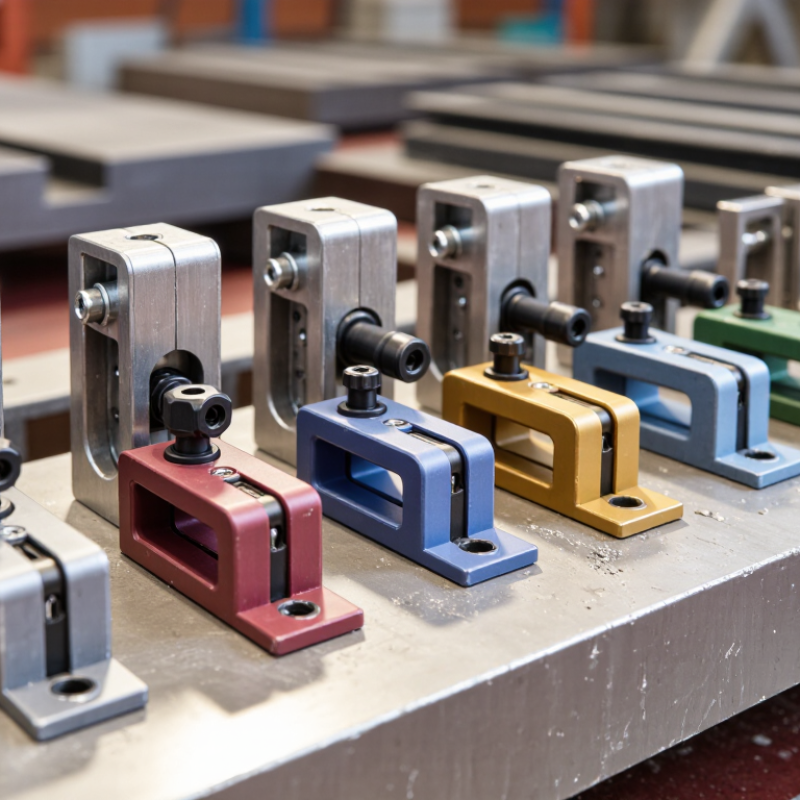
Top 10 Formwork Magnets for Precast Concrete Construction

What Formwork Magnets Are and Their Role in Precast Construction

Formwork magnets are reusable holding devices used to secure side forms on precast concrete casting beds. A steel base and embedded magnet provide clamping force, while a release lever or button helps workers reposition the unit. In practice, the magnet holds the form in place as fresh concrete is poured and vibrated. That matters: even a small shift can affect panel dimensions or leave an uneven edge.

They are not the formwork itself. They help connect it to a compatible steel casting surface, reducing the need for drilled holes or temporary welds. Workers typically clean the bed, position the form, activate the magnet, and check alignment before pouring. A thin layer of concrete residue can interfere with contact, so routine cleaning and inspection are important. Simple, but easy to overlook.

Magnet strength, form height, concrete pressure, and vibration all influence whether a setup stays secure. The correct choice depends on the form design and casting conditions; capacity figures alone do not tell the whole story. Magnets can also be awkward to release when access is tight, and rushed placement may leave gaps. They are useful tools, not a substitute for checking the formwork layout and following the equipment supplier’s instructions.

Top 10 Formwork Magnets for Precast Concrete Construction — What Formwork Magnets Are and Their Role in Precast Construction

Formwork magnets hold shuttering in position on a steel casting bed during precast production. This process chart shows a typical use cycle; it is not a ranking or a comparison of magnet models.

How to read the chart: 1 means the magnet is engaged to hold the formwork; 0 means it is not. Magnets are typically engaged for setup, casting, and curing, then released for stripping and reset.

How Formwork Magnets Secure Molds During Concrete Casting

Top 10 Formwork Magnets for Precast Concrete Construction
How Formwork Magnets Secure Molds During Concrete Casting

During precast production, formwork magnets anchor steel side forms to a casting bed. A switchable magnetic base grips the bed, helping keep mold positions steady during concrete placement and vibration. This reduces drilling and speeds repositioning between pours. Small shifts matter. A few millimeters can alter panel dimensions or edge alignment.

Holding force depends on contact, not just the number printed on a product sheet. Dust, dried paste, rust, or a slightly bowed bed can reduce magnetic contact. Concrete pressure and vibration also create sideways loads. Check magnet spacing against form height, pour rate, and mix, then follow tested load data. A clean-looking surface can still allow a form to creep; inspection is worth the pause.

Tips: Clean both contact faces before placement. Seat each magnet fully, then tug-test the form at several points. Keep magnets clear of rebar and concrete splashes. Release them with the intended lever or tool, and inspect the bed afterward. Not glamorous, but it prevents avoidable rework.

Top 10 Formwork Magnets for Precast Concrete Construction – How Formwork Magnets Secure Molds During Concrete Casting

Rank Formwork Magnet Type Typical Overall Size Indicative Holding Force Typical Application How It Secures the Mold
1 Standard push-button box magnet 250–300 × 100–120 × 60–70 mm 10–18 kN General-purpose precast beds and steel side forms An internal permanent-magnet assembly clamps the box to the steel casting bed; pressing the button engages it, and a release tool disengages it.
2 High-force box magnet 300–350 × 120–150 × 60–75 mm 18–30 kN Tall or heavier side forms subject to greater fresh-concrete pressure A larger magnetic circuit provides stronger attraction to the casting bed. The form still needs suitable bracing and correctly spaced magnets.
3 Compact box magnet 180–230 × 80–100 × 45–60 mm 5–12 kN Short forms, narrow panels, and layouts with limited installation space A smaller push-button unit fixes local form sections to the bed while allowing quick repositioning between pours.
4 Long beam magnet 400–600 × 100–130 × 60–75 mm 15–30 kN Long, straight side forms and production beds requiring a broad support footprint The elongated housing distributes magnetic attachment along a greater length of the form, helping resist local movement when properly installed.
5 Double-button box magnet 300–450 × 100–130 × 60–75 mm 15–28 kN Longer forms where two release points improve access and handling Two operating buttons engage the magnetic assembly within one housing; both release points must be operated as specified for removal.
6 Multi-button long magnet 600–1,200 × 100–150 × 60–80 mm 25–55 kN Long production forms and applications needing attachment over an extended length Multiple operating points activate a long magnetic housing. The total force depends on the unit design and actual contact with the bed.
7 Side-form magnet 250–400 × 80–120 × 45–65 mm 6–16 kN Conventional steel side rails and adjustable precast mold systems The magnet holds a compatible side-form profile against the steel bed; profile fit and correct positioning help maintain alignment.
8 Low-profile magnet 250–400 × 80–120 × 30–45 mm 4–12 kN Shallow forms or casting layouts with restricted clearance A reduced-height housing fits below or alongside tight form details while its magnetic base anchors to the casting surface.
9 Adjustable or adapter-mounted magnet 250–450 mm long; adapter dimensions vary 8–22 kN Profiles, brackets, or form sections that require a custom mounting interface An adapter transfers the magnet’s attachment to the form profile. The connection and adapter must be compatible with the expected loads.
10 Corner and end-stop magnet assembly 150–300 × 80–150 × 45–70 mm 5–15 kN Form ends, short returns, and corner details on precast beds A compact magnetic unit anchors an end stop or corner-form component to the bed; additional restraint may be needed to prevent rotation.

Important: Dimensions and holding-force ranges are indicative examples, not standardized ratings. Actual performance depends on the magnet design, steel-bed thickness and flatness, cleanliness, contact area, air gaps, and loading direction. Holding force is not the same as allowable formwork load; follow the unit’s technical data and the project’s formwork and safety requirements.

Key Types and Design Features of Formwork Magnets

Top 10 Formwork Magnets for Precast Concrete Construction

Key Types and Design Features

Formwork magnets hold steel side forms in position on precast beds, helping crews set panels without drilling into the casting surface. Common designs include box magnets, compact magnets, and side-form units. Box magnets often combine a steel casing with internal magnets and a push-button release. Compact units suit tighter layouts, while side-form magnets are shaped to support particular rail profiles. Fit matters. A strong magnet can still be awkward if it clashes with nearby inserts or reinforcement.

Design details affect daily use. Check the contact surface, release mechanism, and available adapters. A clean, flat base supports reliable contact with the steel bed; grit or hardened concrete can reduce it. Threaded or interchangeable adapters can help connect the magnet to different formwork profiles. Some units use a lever or button to switch the magnetic force on and off. Gloves, wet surfaces, and cramped casting tables can make small controls frustrating.

Holding force deserves careful attention. It depends on the magnet, steel thickness, surface condition, and how the load is applied. Published ratings are useful, but they do not replace checking the setup under actual working conditions. That part is easy to overlook. Inspect housings, buttons, and adapters for damage or concrete buildup, and follow the maker’s handling guidance. The neatest design is not always the easiest one to clean.

Top 10 Formwork Magnets for Precast Concrete Construction

Selecting the top 10 formwork magnets for precast concrete construction means comparing more than rated pull force. Common options include push-button units, compact shuttering magnets, magnetic side rails, and systems for fixing embedded inserts. Each suits different mould layouts and changeover needs. Small details matter. A thin steel plate, concrete residue, or a small air gap can reduce practical holding performance. Check the magnet against the actual formwork thickness and surface condition, not just a catalogue figure.

The market is growing:

Fortune Business Insights estimated the global precast concrete market at USD 134.91 billion in 2023, with a forecast of USD 221.73 billion by 2032.

That expansion makes repeatable setup and safe handling increasingly important. For a useful comparison, assess release and locking mechanisms, resistance to vibration, cleanability, and access for workers wearing gloves. Verify the supplier’s stated capacity through trials on the production bed, with the intended form and loading conditions. One caveat: magnetic force alone does not guarantee a stable mould. I would also record movement during pours and inspect contact surfaces between cycles; this step is easy to overlook, and it can expose problems before they become routine.

How to Select, Use, and Maintain Formwork Magnets

Selecting a formwork magnet starts with the shutter, not the catalogue. Check its profile, steel thickness, concrete pressure, and available contact area. Confirm the rated holding force suits the actual setup; a rating on a clean test plate may not represent a dusty, painted, or uneven mould. Fit matters. Trial the magnet on the production bed, then check for movement during vibration. Keep hands clear of pinch points, and use the specified release tool rather than striking the housing. The U.S. Bureau of Labor Statistics recorded 1,075 fatal work injuries among construction and extraction occupations in 2023. That figure is not specific to magnets, but it reinforces why controlled handling and clear work procedures matter.

Before each pour, remove cement paste, rust flakes, and grit from the magnet face and steel surface. Small gaps can reduce contact and invite shifting. Inspect the casing, switch, and locating pins for cracks, looseness, or deformation; tag questionable units for review. After stripping, clean magnets promptly and store them dry, away from impact and loose steel debris. Keep a simple log of use, damage, and repairs. One detail is easy to miss: excessive force during release can damage both the magnet and the form. Follow the supplier’s technical instructions and verify holding performance periodically. A rushed inspection is still an inspection—but not a very dependable one.

Submit a quote request or book a design consultation

Plastimold Products is an end-to-end product development and manufacturing team.  We provide product design, engineering, prototyping, tooling, plastic injection molding, assembly, packaging and fulfillment.  We work with any size company from start-ups to enterprises from all around the world.

I have a product I want to manufacture

I have a product that is already designed and now needs to be manufactured. 

I need a manufacturer to optimize my product for injection molding, help choose the correct material, and manage the product production.

I have tooling that I want to transfer or modify, or I need to produce new tooling.

I need design and engineering support

I have a product concept that I want to be designed and brought to market.

I have a product that needs to be reviewed, improved or DFM’ed.

I am looking for a manufacturer to provide an end-to-end solution, from design and development to inventory, marketing, and sales.
