
How to Choose the Right Stainless Steel Pipe for Your Needs?

Choosing the right stainless steel pipe is critical for various applications, from construction to manufacturing. The global stainless steel pipe market is projected to reach $77 billion by 2027, highlighting its importance. With a wide range of grades and specifications available, selecting the appropriate type can be daunting.

Stainless Steel Pipe offers excellent durability and corrosion resistance. These qualities make it a favored option across several industries. According to industry reports, pipes made from stainless steel have a lifespan of over 30 years, surpassing many other materials. However, the decision should consider specific environmental conditions and the intended use of the pipes.

Despite the advantages, not every stainless steel pipe suits every situation. It's essential to weigh factors like cost, strength, and compatibility with other materials. A misstep in selection can lead to increased maintenance costs or even failure of the entire system. The complexity of choices may cause uncertainty. However, taking the time to understand your requirements can lead to optimal performance and longevity.
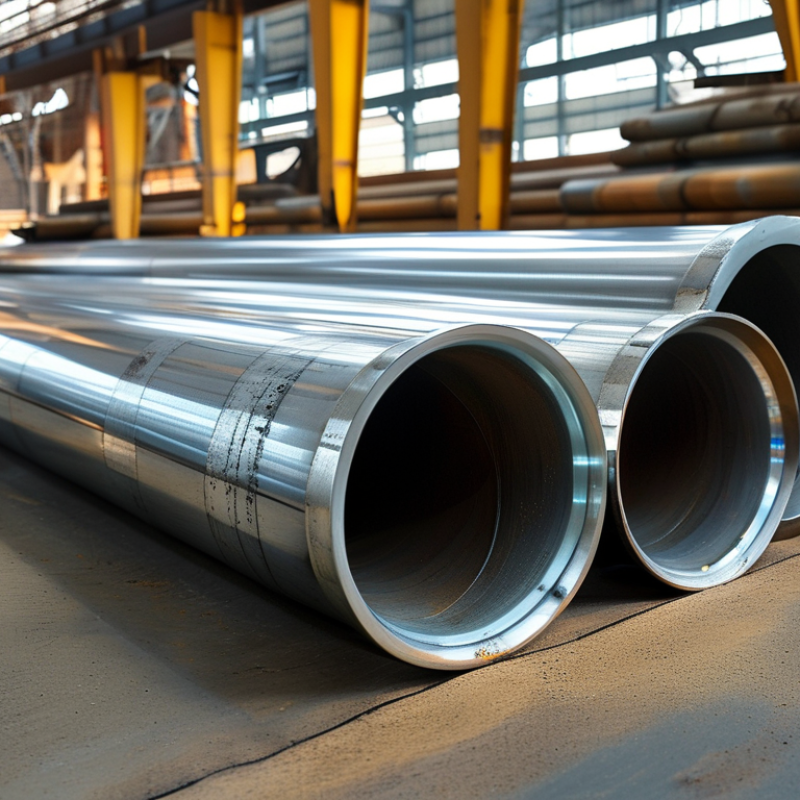
How to Choose the Right Stainless Steel Pipe for Your Needs?

Choosing the Appropriate Stainless Steel Grade for Your Project

Choosing the right stainless steel grade is crucial for any project. Stainless steel has various grades, each with unique properties. The choice depends on the environment and application. For instance, AISI 304 is popular for its excellent corrosion resistance, making it ideal for kitchen equipment. However, it might not be the best choice in highly acidic environments.

A different grade, like AISI 316, offers enhanced resistance to chlorides. This grade is often used in marine applications. Yet, it can be more expensive and may not be necessary for all projects. It's important to assess your specific needs.

Consider the mechanical properties as well. Some applications may require higher tensile strength, while others may prioritize weldability. Reflect on the requirements thoroughly. Remember, the goal is to avoid over-engineering your solution. Getting the grade right from the start can save costs and enhance performance.

How to Choose the Right Stainless Steel Pipe for Your Needs?

Grade Corrosion Resistance Typical Applications Temperature Range Weldability
304 Good Food processing, Kitchen equipment -196°C to 800°C Excellent
316 Very Good Marine, Chemical applications -196°C to 870°C Good
321 Good Aerospace, Automotive -196°C to 900°C Fair
347 Good High-temperature applications -196°C to 900°C Good
Duplex 2205 Excellent Oil and gas, Desalination plants -50°C to 300°C Excellent

Understanding the Different Pipe Sizes and Dimensions Available

When selecting the right stainless steel pipe, understanding sizes and dimensions is crucial. Pipes come in various diameters and wall thicknesses. Common dimensions include nominal pipe size (NPS) and pipe schedule. NPS indicates the nominal internal diameter, while the schedule specifies the thickness. Choosing the correct size ensures proper fit and function in your project.

Different applications require different pipe specifications. For example, a plumbing system typically uses standard sizes while industrial applications might need larger diameters. It’s essential to assess your specific needs, such as pressure ratings and flow requirements. Keep in mind that larger pipes can be more expensive and harder to handle.

Not every project requires the thickest pipe available. Sometimes, a thinner wall may suffice. However, this could lead to failures if not properly evaluated. It’s important to balance material cost and durability. Consulting with professionals or using design guides can improve your decision-making process. Understanding these dimensions aids in selecting the right pipe efficiently.

Evaluating Corrosion Resistance and Environmental Factors

When choosing stainless steel pipes, evaluating corrosion resistance is crucial. Different environments present various challenges that can affect pipe longevity. For instance, coastal areas expose pipes to saltwater, increasing the risk of corrosion. In such cases, selecting a stainless steel grade with higher corrosion resistance is essential.

Chemicals in industrial settings can also impact pipe integrity. Understanding the specific environment helps in making informed decisions. Certain additives may actually enhance or diminish resistant qualities. A common mistake is overlooking these details, leading to premature failure. Documenting maintenance and environmental exposure is vital for assessing long-term performance.

Another factor to consider is temperature fluctuation. High temperatures can accelerate corrosion in some materials. Regular inspections and proper installation can help mitigate unexpected issues. Pay attention to small cracks or discolorations that may indicate deeper problems. Awareness of these factors can save time and resources down the line.

Corrosion Resistance Comparison of Stainless Steel Pipes

Considering Pressure Ratings and Specifications for Your Application

Choosing the right stainless steel pipe involves understanding pressure ratings and specifications. Each application has unique requirements. Knowing the operating environment is vital.

Factors like temperature and fluid type directly affect pipe performance.

Pressure ratings are crucial. The American Society for Testing and Materials (ASTM) provides guidelines on different grades and their capabilities. Selecting a pipe rated for more than your maximum pressure can help avoid failures. For instance, consider the difference between Schedule 40 and Schedule 80 pipes. Schedule 80 pipes can withstand higher pressure, but they may also be heavier and cost more.

It's essential to evaluate your specific needs. Are you working with corrosive materials? Is the installation indoors or outdoors? Connecting with experts can offer clarity. Many professionals emphasize the importance of rigorous testing and adherence to code. Sometimes, the wrong pipe choice leads to costly repairs. Always collect data, analyze it, and make informed decisions. Your project’s success may hinge on these factors.

Assessing Cost, Availability, and Supplier Options for Stainless Steel Pipes

When selecting stainless steel pipes, cost and availability play a significant role. Start by assessing the market. Prices can vary widely based on the supplier and pipe specifications. Often, bulk purchases can lead to lower costs. Ask multiple suppliers for quotes. This strategy provides a range of options.

Availability is crucial. Not all suppliers maintain extensive inventories. Check lead times carefully. Some materials may take weeks to arrive. This delay can disrupt projects. If you need pipes urgently, consider local suppliers. They may have stock on hand.

Suppliers’ reliability is another key factor. Research each supplier’s reputation. Read customer reviews and ask for references. A trustworthy supplier will provide consistent quality and service. Transparency about sourcing and manufacturing processes builds confidence. Ultimately, balancing these factors will help you choose the right stainless steel pipes for your needs.

Submit a quote request or book a design consultation

Plastimold Products is an end-to-end product development and manufacturing team.  We provide product design, engineering, prototyping, tooling, plastic injection molding, assembly, packaging and fulfillment.  We work with any size company from start-ups to enterprises from all around the world.

I have a product I want to manufacture

I have a product that is already designed and now needs to be manufactured. 

I need a manufacturer to optimize my product for injection molding, help choose the correct material, and manage the product production.

I have tooling that I want to transfer or modify, or I need to produce new tooling.

I need design and engineering support

I have a product concept that I want to be designed and brought to market.

I have a product that needs to be reviewed, improved or DFM’ed.

I am looking for a manufacturer to provide an end-to-end solution, from design and development to inventory, marketing, and sales.
