What Are the Best Vape Batteries from China?
Choosing the best Vape Batteries from China requires more than comparing capacity and price. It requires evidence.
China remains a major manufacturing hub for lithium-ion cells, battery packs, and electronic components. Industry reports from Grand View Research describe continued growth in the global e-cigarette market. That growth increases demand for consistent, traceable power systems. However, market growth does not guarantee product quality.
Specifications can mislead.
A battery marked “3,000 mAh” may perform differently under real operating loads. Internal resistance, thermal control, cycle life, and storage conditions matter greatly. Experienced buyers should request cell datasheets, batch records, and independent test results. These documents reveal more than a polished product page.
Safety compliance is equally important. IEC 62133-2 covers safety requirements for portable sealed secondary lithium cells and batteries. The UN Manual of Tests and Criteria, Part III, Sub-section 38.3, addresses lithium battery transport testing. UL 8139 provides another relevant framework for electrical systems used in vaping products. These standards do not replace local regulatory review. They support it.
Reliable Chinese suppliers usually explain cell origin, protection circuitry, quality-control checkpoints, and recall procedures. They should also identify whether a pack uses a reputable 18650, 21700, or custom-format cell. A lower price can become expensive after overheating, inconsistent output, or failed shipments.
This guide compares battery types, supplier evidence, testing practices, and practical purchasing questions. It also recognizes an uncomfortable point: certificates can be incomplete, outdated, or misunderstood. Buyers must verify every claim. The safest choice is not always the highest-capacity battery. It is the battery with documented performance, controlled manufacturing, and transparent compliance.
What Makes a Vape Battery High-Quality and Reliable?
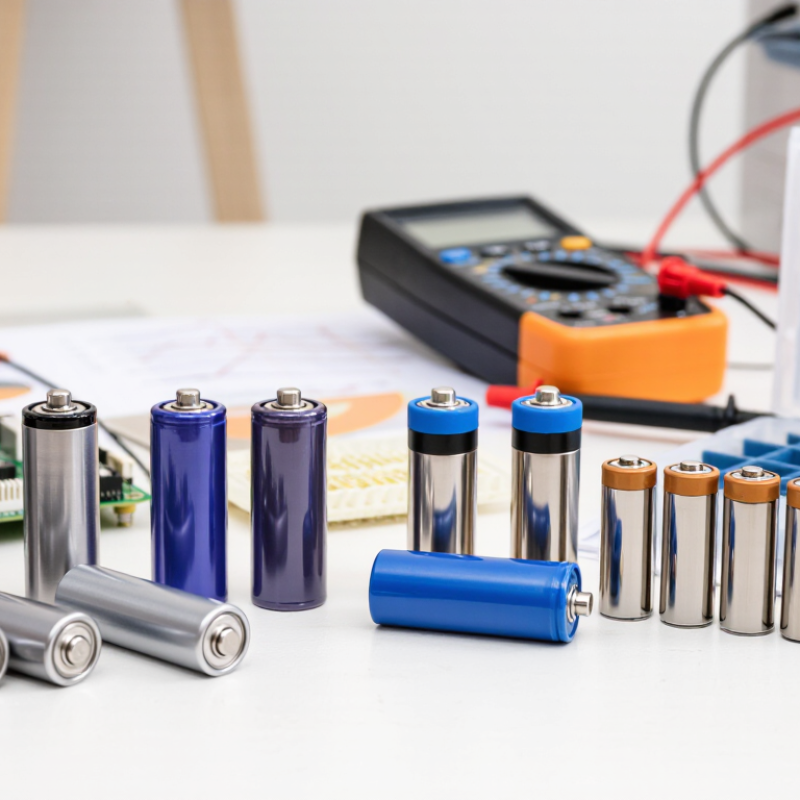
A high-quality vape battery begins with consistent cell construction, not a colorful label. Reliable manufacturers in China usually control electrode materials, welding points, insulation, and final assembly in documented stages. Each batch should have traceable codes, measured capacity, and tested discharge performance. A printed rating alone is not enough.
Protection matters just as much. A dependable battery should resist overcharging, overheating, short circuits, and excessive discharge when the device supports these safeguards. Professional testing can include capacity checks, temperature monitoring, vibration tests, and repeated charging cycles. Independent laboratory reports add credibility, especially when they match the exact model and production batch. Small details matter.
Look closely at the physical build. The wrapper should fit tightly, with no tears, dents, loose terminals, or unusual odor. Contacts should sit firmly inside the device. Experienced suppliers also provide clear charging instructions and storage guidance. Keep batteries away from metal objects, heat, and direct sunlight. Never use a damaged cell.
A low price can look attractive. It can also hide weak quality control. I have learned that specifications are only promises until testing supports them. Some suppliers may report impressive capacity figures, yet real performance can fall short. Ask for recent test data, production records, and compliance documents for your market. Choose evidence over confident wording. Reliability is built quietly, one verified detail at a time.
What Are the Best Vape Batteries from China?
A high-quality vape battery should provide a verified capacity, stable voltage, low internal resistance, consistent cycle life, and reliable protection against overcharge, over-discharge, short circuits, and overheating. The chart compares representative capacity ranges for common rechargeable lithium-ion cell formats used in vaping devices. Actual performance depends on the cell design, discharge rating, testing method, and device compatibility.
Capacity is only one indicator of reliability. Buyers should also verify the continuous discharge rating, production consistency, safety testing, charging compatibility, and traceable technical documentation before selecting a battery.
Which Types of Vape Batteries Are Commonly Made in China?
China’s vape-battery supply chain mainly produces rechargeable lithium-ion cells. Common formats include 18650 and 21700 cylindrical cells, plus compact lithium-polymer pouch cells. The International Energy Agency reported that China produced about 80% of global battery cells in 2023. This figure covers all battery sectors, not vaping alone. Still, it shows the country’s deep manufacturing base.
The 18650 remains popular because its 18-by-65-millimeter shape fits many removable devices. The newer 21700 format offers greater capacity and often supports higher continuous discharge. Small pod systems commonly use lithium-polymer pouch cells. Their flat shape allows slimmer designs, but damaged pouches can swell quickly. Built-in cylindrical cells also appear in compact devices. They reduce user handling, although replacement becomes less practical.
Protection design matters as much as cell chemistry. Protected cells include a small circuit that helps limit overcharge, over-discharge, and excessive current. Unprotected cells require compatible equipment and careful handling. Look for clear capacity, discharge-current, batch, and safety-test information. IEC 62133-2 and UN 38.3 references can support traceability, but a printed mark alone proves little. The Battery Association of Japan and other testing bodies stress documented transport and abuse testing for lithium cells. Real-world inspection still matters. Check for torn wraps, dents, heat, or unusual odor. Some supplier listings exaggerate capacity. That is easy to miss.
How to Compare Battery Capacity, Output, Lifespan, and Safety
What Are the Best Vape Batteries from China?
Comparing vape batteries requires more than reading the largest capacity number. Capacity, measured in milliamp-hours, affects operating time. However, higher capacity can reduce portability and charging speed. Output matters too. Check the battery’s continuous discharge rating, not only its short-term peak rating. A reliable specification sheet should clearly separate both figures.
Lifespan depends on charging habits, heat, storage, and workload. A battery used near its maximum output may age faster. Look for consistent cycle-life data from an independent laboratory. I would also check production dates, batch codes, and traceable quality records. A low price can be attractive, but unclear testing creates expensive uncertainty. My own comparison method would improve here: capacity should be tested under the device’s real load, not just laboratory conditions.
Safety deserves the strongest attention. Choose cells with suitable protection, stable insulation, and documented compliance with recognized standards, such as IEC 62133-2 and UN 38.3. Ask whether an accredited laboratory verified the reports. Avoid damaged, swollen, leaking, or unusually hot batteries. Keep loose cells away from keys and coins. Use the correct charger and inspect the wrapping regularly. Small details matter. Also, a manufacturer’s certificate is useful, but it is not absolute proof. Independent verification remains the more dependable signal.
What Are the Best Vape Batteries from China? - How to Compare Battery Capacity, Output, Lifespan, and Safety
| Battery Type | Typical Capacity | Typical Continuous Discharge Rating | Nominal / Full Voltage | Expected Service Life | Main Advantages | Main Limitations | Safety Considerations | Best Use Case |
| 18650 Lithium-Ion | 2,000–3,500 mAh | 15–30 A | 3.6–3.7 V / 4.2 V | Approximately 300–500 full cycles | Compact size, widely available, good balance of capacity and output | Lower energy storage than larger cylindrical cells | Use only undamaged cells with intact wraps; avoid loose cells with metal objects | Compact regulated devices and moderate-power applications |
| 21700 Lithium-Ion | 4,000–5,000 mAh | 20–45 A | 3.6–3.7 V / 4.2 V | Approximately 300–500 full cycles | Higher capacity and lower voltage sag than many 18650 cells | Larger and heavier; requires a compatible device and charger | Verify the genuine continuous rating; do not rely only on exaggerated pulse-current claims | Higher-power devices where longer runtime is important |
| 26650 Lithium-Ion | 4,000–5,500 mAh | 15–30 A | 3.6–3.7 V / 4.2 V | Approximately 300–500 full cycles | Large capacity and robust cylindrical construction | Bulky; often offers less current density than high-output 21700 cells | Check physical fit, insulation, temperature, and the device's maximum current limit | Large devices prioritizing runtime over compactness |
| Protected Lithium-Ion Pack | Varies by configuration; commonly 1,500–6,000 mAh | Usually 5–20 A, depending on the protection circuit | Typically 3.7 V nominal / 4.2 V full for a single-cell pack | Approximately 300–500 full cycles | Can include overcharge, over-discharge, short-circuit, and over-current protection | Protection circuitry may restrict output and is difficult for users to replace | Confirm the protection board's voltage, current, and thermal specifications | Integrated devices requiring additional electronic protection |
| Lithium-Polymer Pouch Pack | 500–2,000 mAh for many compact designs | Approximately 10–30 A, depending on cell size and design | 3.7 V nominal / 4.2 V full per cell | Approximately 200–500 full cycles | Flexible shape, high power-to-weight ratio, suitable for slim products | More vulnerable to puncture, swelling, crushing, and thermal abuse | Requires a correctly specified battery-management system and physical protection | Slim integrated devices designed around a custom battery shape |
Comparison Notes: Capacity is measured in mAh, while output is best compared using the verified continuous-discharge rating rather than a short-duration pulse claim. Actual runtime and lifespan depend on wattage, temperature, charging speed, storage conditions, and charging frequency. Select a battery that matches the device manufacturer’s voltage, current, size, and protection requirements.
How to Check Chinese Battery Manufacturers and Product Certifications
Choosing vape batteries from China starts with verifying the manufacturer, not comparing advertised capacity. Request legal business registration, factory address, audit contact, and recent production records. Visit the facility or commission an independent audit. Check whether cell batches, welding records, and final inspection results match the shipment. A polished PDF proves little.
For lithium-ion cells, request reports against IEC 62133-2 and UN 38.3 from an accredited laboratory, preferably ISO/IEC 17025 certified. Verify the laboratory through its public directory. Match the report’s model, chemistry, capacity, and revision date. Do not confuse CE marking with one government certificate. It depends on applicable European requirements and valid conformity assessment. ISO 9001 supports process control, but it does not certify battery safety. Request abuse-test summaries, protection-board specifications, and consistency data.
Industry data supports stricter records. The Global E-waste Monitor 2024 reports 62 million tonnes of electronic waste generated in 2022. Only 22.3% was formally collected and recycled. This gap makes battery identification and disposal instructions important. IATA’s 2025 Dangerous Goods Regulations also emphasize protected terminals and controlled transport for lithium batteries. Ask for packaging tests and shipping documents. No checklist is perfect. A supplier may pass one audit, then change cells later. Retain sealed samples and repeat testing periodically. This is slower, but more reliable than trusting a low price.
How to Choose the Best Vape Battery for Your Device and Usage Needs
Choosing the best vape battery from China starts with device compatibility, not price. Check the required battery size, voltage range, and continuous discharge rating. A higher capacity is not automatically better. It may provide longer use, but it can also increase charging time and heat.
The U.S. Fire Administration recorded 195 electronic-cigarette fire and explosion incidents from 2009 to 2016. Its report also noted 133 acute injuries and 38 severe injuries. These figures make battery quality and handling essential. Choose cells with traceable production records, consistent labeling, and independent safety testing. Look for compliance with IEC 62133-2 and device-level testing aligned with UL 8139. Those standards address battery abuse, charging, and electrical safety.
Your usage pattern matters. A moderate user may prefer stable capacity and lower heat. A high-demand device needs a verified continuous discharge rating, not an attractive pulse rating. Avoid loose cells with damaged wraps, exposed terminals, or unclear origins. Use the charger recommended for the device. Never charge a battery on soft furniture or leave it unattended.
I still treat online specifications cautiously. Some labels are incomplete or poorly translated. Ask the supplier for test reports, batch numbers, and manufacturing dates. China has strong battery manufacturing capability, but quality varies between factories. A sample that performs well may not represent every production batch. Check again.

