
What is the Best Toggle Switch for Your Needs?
Choosing the right Toggle Switch can be challenging. With various types available, understanding their differences is crucial. A toggle switch is not just a simple on-off device; it holds the power to control mechanisms in your projects. Whether for home improvement or electronic applications, you need reliability and efficiency.
In this guide, we will delve into essential factors when selecting a toggle switch. You should consider its specifications like voltage rating, current capacity, and physical size. Often overlooked, these aspects greatly impact functionality and safety. Additionally, the mounting type may dictate ease of installation. An informed choice can prevent frustrating setbacks in your work.
While you may find many options, finding a toggle switch that meets your specific needs requires careful thought. It should align with project requirements while ensuring durability and performance. With proper guidance, you can confidently select the best toggle switch for your application, leading to efficient and successful outcomes.
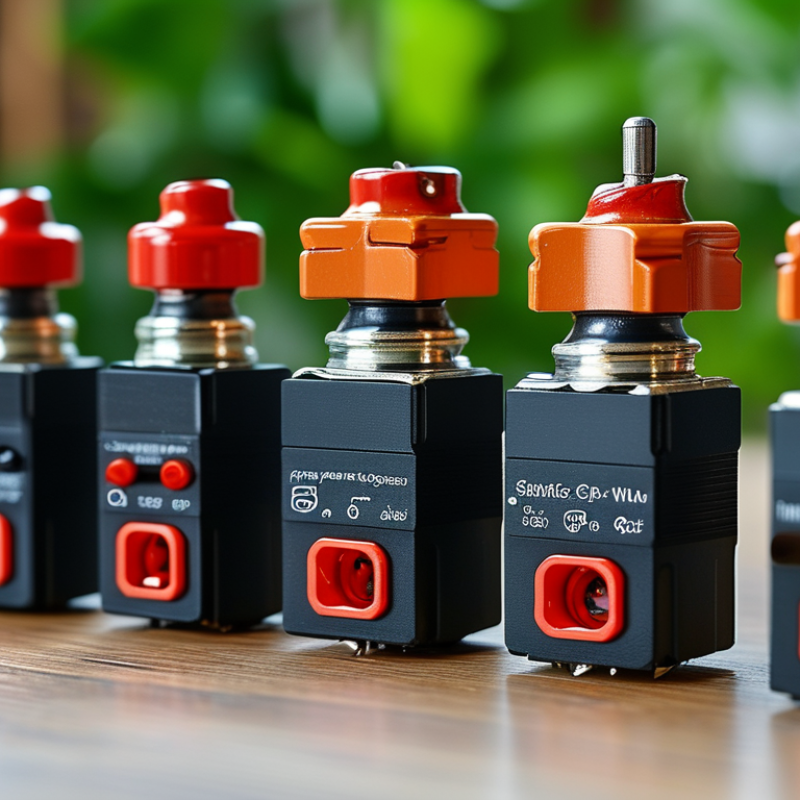
Understanding Toggle Switch Types and Their Applications
Toggle switches are versatile components used in various applications. Understanding the different types can guide you in selecting the right one for your needs. There are several common types of toggle switches, including single-pole, double-pole, and momentary switches. Each type has distinct functions and can be used in various settings.
Single-pole toggle switches are among the most prevalent. They control a single circuit, making them ideal for simple lighting or fan applications. Double-pole switches are used for more complex setups, managing two circuits simultaneously. This is useful in systems requiring higher voltage or current. Momentary switches, on the other hand, are typically utilized for temporary actions. They are great for scenarios where you might only need an action while holding the switch.
When choosing a toggle switch, consider factors like electrical specifications, the environment, and the intended use. Quality varies widely, and it’s essential to reflect on the reliability of the switch over time. Proper selection can prevent frequent replacements and avoid electrical mishaps. Always analyze your specific needs to ensure optimal performance and safety.
Key Factors to Consider When Choosing a Toggle Switch
When choosing a toggle switch, several key factors affect your decision. The switch's rating is one of the most crucial aspects. A toggle switch typically comes in various current and voltage ratings, suitable for different applications. Research indicates that switches rated for 10A at 120V AC are common in household applications, while industrial settings might require switches rated for higher loads. Ensuring the right rating prevents overheating and potential safety hazards.
Another important factor is the construction material. Toggle switches can feature metal or plastic construction. Metal switches are generally more durable and resistant to wear. Industry studies show that metal switches often have a lifespan exceeding 500,000 cycles. However, they may come at a higher price point. Plastic switches are lighter and more cost-effective but might not withstand heavy usage. Evaluating the environment in which the switch will operate is essential. For example, damp or corrosive environments require switches with appropriate sealing.
Consider also the switch's mounting style. Options include panel mount or PCB mount. Panel mounts are versatile and frequently used in control panels. In contrast, PCB mounts are ideal for compact devices. Data from market trends suggests a growing preference for user-friendly designs. Many users seek straightforward installation and operation. Reflecting on these factors ensures a suitable choice that meets both functional and safety standards.
Comparing Toggle Switch Features: Size, Rating, and Configuration
When selecting a toggle switch, understanding its size, rating, and configuration is crucial. A study by the Electric Power Research Institute indicates that improper sizing can lead to failures. Always consider the physical dimensions. Common sizes range from a compact 12mm to a larger 30mm. Smaller switches save space, but larger ones can have better durability.
The electrical rating is another critical feature. Toggle switches typically support current ratings from 2A to over 20A. Aligning the rating with your specific needs ensures reliability. For instance, using a switch rated at 10A for a 15A application can result in overheating. Pay attention to the voltage as well. A report by the Institute of Electrical and Electronics Engineers found that incorrect voltage ratings can lead to circuit failures.
Configuration matters significantly too. Single-pole switches are the most common, but three-way or even four-way switches are also available for complex setups. Many users overlook their actual needs. It's essential to match your switch type with your wiring system. Getting this wrong can disrupt functionality and safety. Examining each feature helps in making a more informed choice.
Common Brands and Products of Toggle Switches on the Market
When it comes to toggle switches, the market offers various brands and products to choose from. Each has unique features, catering to different needs. Some switches are designed for high current applications. Others may focus on aesthetics or compact designs for smaller devices. Knowing what each product offers can help you find the right one.
Common brands are known for their durability and reliability. Many use materials that withstand wear and tear over time. Some switches include LED indicators for easy visibility in low light. Considering these details is essential in your selection process. Look for user reviews that highlight actual experiences. It's valuable to reflect on how the product performs in real-world scenarios.
However, not all products are perfect. Some users report that certain switches can feel flimsy, leading to concerns about longevity. Others may find that installation isn’t as straightforward as advertised. Researching deeply can help mitigate these issues. Understanding the strengths and weaknesses will guide you in making an informed choice.
What is the Best Toggle Switch for Your Needs?
| Switch Type | Current Rating (Amps) | Voltage Rating (Volts) | Material | Finish | Mounting Type |
|---|---|---|---|---|---|
| SPST | 10 | 120 | Plastic | Glossy | Panel Mount |
| DPDT | 15 | 250 | Metal | Brushed | Bulkhead Mount |
| SPDT | 20 | 12 | Plastic | Matte | Surface Mount |
| Rocker | 25 | 48 | Plastic | Glossy | Panel Mount |
Installation and Maintenance Tips for Toggle Switches
When installing toggle switches, the process may seem straightforward, but attention to detail is crucial. Start by ensuring that the power supply is turned off before tackling any electrical work. This is a vital safety measure. Use a voltage tester to confirm that the switch is de-energized. Properly identifying wires is essential. Take the time to label them before disconnecting. It can save you from confusion during installation.
Maintenance of your toggle switches is equally important. Regular inspection can prolong their lifespan. Look for signs of wear, corrosion, or damage. Sometimes, switches may feel loose or unresponsive. These are indicators that they might need replacement. Remember, a faulty switch can pose safety hazards. Keeping a maintenance log can help track when switches were last checked. This simple step can prevent unexpected failures.
Article Source:
Submit a quote request or book a design consultation
Plastimold Products is an end-to-end product development and manufacturing team. We provide product design, engineering, prototyping, tooling, plastic injection molding, assembly, packaging and fulfillment. We work with any size company from start-ups to enterprises from all around the world.
I have a product I want to manufacture
I have a product that is already designed and now needs to be manufactured.
I need a manufacturer to optimize my product for injection molding, help choose the correct material, and manage the product production.
I have tooling that I want to transfer or modify, or I need to produce new tooling.
I need design and engineering support
I have a product concept that I want to be designed and brought to market.
I have a product that needs to be reviewed, improved or DFM’ed.
I am looking for a manufacturer to provide an end-to-end solution, from design and development to inventory, marketing, and sales.

©2022 Plastimold Products - Privacy policy - Terms and Conditions

