
2026 Top Pressure Relief Valve Manufacturers?
The 2026 Pressure Relief Valve market is becoming more technical, regulated, and difficult to compare. Grand View Research estimates that the global industrial valves market will continue expanding through 2030. MarketsandMarkets also identifies process industries, energy, and water treatment as major demand centers. However, these reports often combine several valve categories. Their figures are useful, but not perfectly comparable.
This guide examines leading manufacturers through practical criteria. These include certification, pressure range, materials, testing, service networks, and application experience. A refinery may need a high-temperature spring-loaded valve. A pharmaceutical plant may require cleanable surfaces and precise documentation. Small specification details matter.
According to the National Board, pressure relief devices protect equipment from excessive pressure when operating controls fail. That principle remains central. Industry specialist Les Kane has emphasized that “the pressure relief valve is the last line of defense.” The wording is simple. The responsibility is not.
Reliable rankings should therefore consider more than revenue or brand visibility. They should examine published test data, traceable quality systems, field performance, and response after installation. Manufacturers such as Emerson, Baker Hughes, Curtiss-Wright, LESER, and IMI may appear frequently in global comparisons, but their strengths differ by sector and region.
Some rankings remain imperfect. Public data rarely reveals failure rates, maintenance costs, or local support quality. That limitation deserves attention. A strong manufacturer on paper may perform poorly when spare parts arrive late. This article uses available market reports, technical standards, and manufacturer evidence to identify the most credible Pressure Relief Valve manufacturers for 2026.
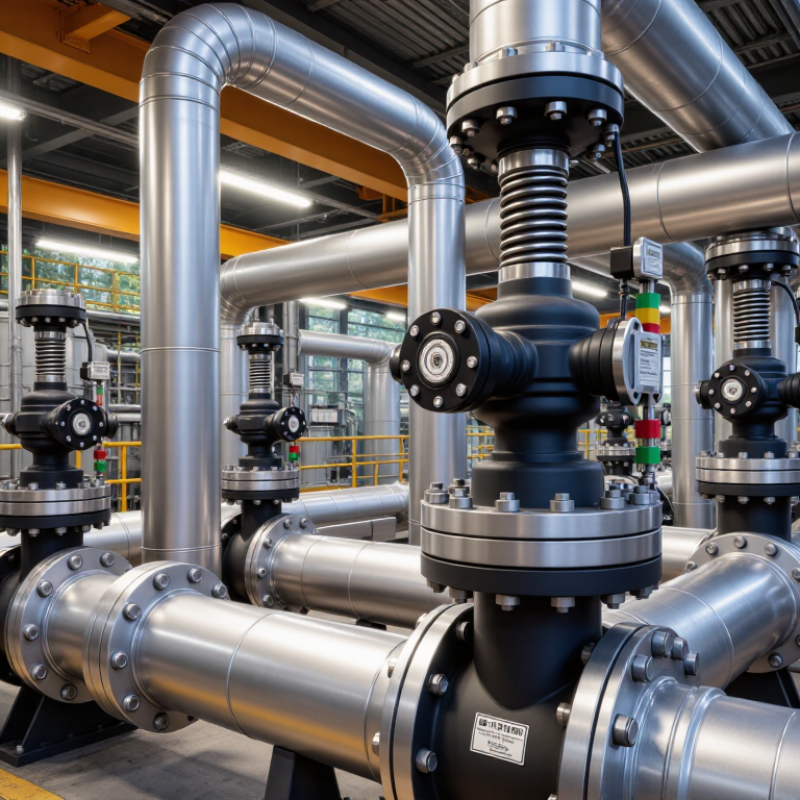
What Is a Pressure Relief Valve and How Does It Work?
A pressure relief valve protects equipment when internal pressure rises above a safe limit. It is commonly installed on boilers, pressure vessels, pipelines, and liquid systems. The valve stays closed during normal operation. A spring, pilot system, or weighted mechanism holds the valve against its seat.
When pressure reaches the set pressure, the force beneath the disc overcomes the closing force. The disc lifts, creating an outlet for gas, steam, or liquid. Pressure then falls through a controlled discharge path. A spring-loaded valve may open sharply, while a pilot-operated design can manage high-capacity service more steadily. The discharge should lead to a safe location, not toward workers or electrical equipment.
The simple explanation is useful, but incomplete. Valve sizing depends on fluid type, temperature, flow rate, back pressure, and possible failure conditions. A valve that looks suitable may still protect poorly. During field checks, technicians examine corrosion, blocked outlets, damaged seals, and incorrect set pressure. They also verify that isolation valves cannot accidentally prevent relief. In liquid piping, thermal expansion can create dangerous pressure even when a pump is stopped. Small pressure changes matter. Maintenance records should show test dates, results, and the next inspection interval. A practical mistake is treating the valve as a permanent fix for unstable operation. The root cause may be a closed line, a failed control device, or excessive heating.
2026 Top Pressure Relief Valve Manufacturers? – What Is a Pressure Relief Valve and How Does It Work?
| Valve Category | How It Works | Typical Service | Primary Pressure-Control Feature | Common Materials | Relevant Standards or Guidance |
|---|---|---|---|---|---|
| Spring-Loaded Safety Valve | A spring holds the disc against the seat. When inlet pressure reaches the set pressure, the disc lifts and releases the protected fluid. | Steam, hot water, air, and other compressible gases or vapors. | Set pressure is established by spring force; blowdown controls reseating pressure. | Carbon steel, stainless steel, alloy steel, and corrosion-resistant trim. | ASME BPVC Section VIII, API 520, API 526, and ISO 4126. |
| Safety Relief Valve | The valve opens at a predetermined pressure and may open progressively or rapidly, depending on the fluid and design. | Boilers, pressure vessels, process piping, and mixed liquid–vapor systems. | Protects against overpressure caused by blocked outlets, fire exposure, thermal expansion, or control failure. | Steel, stainless steel, nickel alloys, and elastomers selected for the process fluid. | ASME BPVC Section VIII, API 520, API 521, and ISO 4126. |
| Pilot-Operated Relief Valve | A small pilot valve senses system pressure and controls the main valve, allowing the main disc to remain tightly seated until relief is required. | High-pressure gas systems, transmission pipelines, and applications requiring low leakage. | Uses system pressure and pilot control to improve seat tightness and capacity at high pressures. | Carbon steel bodies, stainless steel pilots, and corrosion-resistant internal components. | API 520, API 521, ISO 4126, and applicable pipeline or pressure-equipment rules. |
| Pressure Vacuum Relief Valve | Separate pressure and vacuum settings allow the device to vent excess internal pressure or admit air when internal pressure falls below atmospheric pressure. | Low-pressure storage tanks containing liquids or vapors. | Controls both positive pressure and vacuum to prevent tank overpressure or collapse. | Aluminum, carbon steel, stainless steel, and fluoropolymer seating materials. | API 2000 and applicable atmospheric or low-pressure tank standards. |
| Thermal Relief Valve | It relieves pressure produced when a trapped liquid expands because of temperature increase. | Blocked-in liquid pipelines, heat exchangers, pumps, and isolated piping sections. | Uses a relatively small relieving capacity because the protected liquid volume is limited. | Brass, bronze, stainless steel, carbon steel, and compatible soft-seat materials. | System-specific engineering practice, ASME requirements, and applicable local codes. |
| Rupture Disc Assembly | A thin metallic or composite membrane bursts at a specified differential pressure and provides a non-reclosing relief path. | Corrosive, viscous, polymerizing, or rapidly reacting services. | Provides rapid, full-opening pressure relief with no moving parts. | Stainless steel, nickel alloys, tantalum, graphite, and fluoropolymer linings. | ASME BPVC Section VIII, ISO 4126, and manufacturer-certified burst-pressure requirements. |
| Pressure Relief Valve with Rupture Disc | A rupture disc is installed upstream or downstream of a re-closing relief valve to isolate the valve from corrosive or fouling process media. | Chemical processing, pharmaceutical production, and services with severe corrosion or contamination risks. | Combines non-reclosing emergency protection with re-closing pressure control. | Materials are selected according to chemical compatibility, temperature, and burst-pressure requirements. | ASME BPVC Section VIII, API 520, API 521, and ISO 4126. |
Key Selection Data for Pressure Relief Valves
| Design Dimension | What It Means | Data Required for Sizing | Why It Matters |
|---|---|---|---|
| Set Pressure | The inlet pressure at which the relief device is adjusted to open under specified test conditions. | Maximum allowable working pressure, operating pressure, and applicable code limits. | Determines when the equipment receives overpressure protection. |
| Relieving Pressure | The pressure at which the device must discharge the required flow during an overpressure event. | Set pressure, allowable accumulation, back pressure, and governing design code. | Defines the pressure used in capacity calculations. |
| Required Relieving Capacity | The mass or volumetric flow rate that must be discharged to keep pressure within the permitted limit. | Potential overpressure scenarios, fluid phase, heat input, inflow, and process conditions. | Controls the required orifice area and valve size. |
| Fluid Properties | The physical and chemical characteristics of the protected medium. | Gas or liquid phase, molecular weight, density, viscosity, compressibility, temperature, and corrosiveness. | Affects capacity calculations, materials, seat design, and discharge behavior. |
| Back Pressure | Pressure present at the valve outlet, including built-up and superimposed back pressure. | Discharge-piping pressure losses, header pressure, and downstream operating conditions. | Can reduce capacity, alter opening behavior, or require balanced or pilot-operated construction. |
| Operating Temperature | The temperature of the fluid and surrounding equipment during normal and relief conditions. | Normal temperature, design temperature, fire-case temperature, and temperature cycling. | Influences spring performance, material strength, seal compatibility, and fluid density. |
| Discharge Arrangement | The route and destination for fluid released by the relief device. | Closed or open discharge, piping length, fittings, allowable pressure drop, and safe disposal location. | Protects personnel and equipment while maintaining required valve performance. |
| Inspection and Testing | Verification that the device opens, closes, seals, and remains within the required set-pressure tolerance. | Service severity, code requirements, test frequency, isolation arrangements, and maintenance history. | Maintains dependable protection throughout the equipment life cycle. |
Note: Pressure ranges, capacities, materials, and allowable accumulation depend on the specific design, fluid, temperature, code edition, and certified sizing calculation. Final selection should be completed by a qualified pressure-equipment engineer.
Submit a quote request or book a design consultation
Plastimold Products is an end-to-end product development and manufacturing team. We provide product design, engineering, prototyping, tooling, plastic injection molding, assembly, packaging and fulfillment. We work with any size company from start-ups to enterprises from all around the world.
I have a product I want to manufacture
I have a product that is already designed and now needs to be manufactured.
I need a manufacturer to optimize my product for injection molding, help choose the correct material, and manage the product production.
I have tooling that I want to transfer or modify, or I need to produce new tooling.
I need design and engineering support
I have a product concept that I want to be designed and brought to market.
I have a product that needs to be reviewed, improved or DFM’ed.
I am looking for a manufacturer to provide an end-to-end solution, from design and development to inventory, marketing, and sales.

©2022 Plastimold Products - Privacy policy - Terms and Conditions