2026 Top Injection Machine Parts Suppliers Worldwide
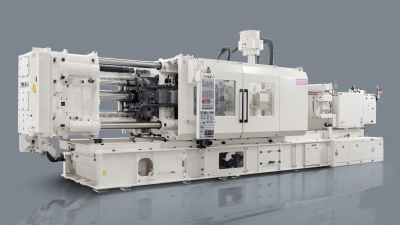
Choosing reliable injection machine parts suppliers can directly affect production speed, product consistency, and maintenance costs. This 2026 guide examines leading suppliers worldwide through practical and technical criteria. It focuses on component quality, manufacturing experience, documentation, delivery performance, and after-sales support.
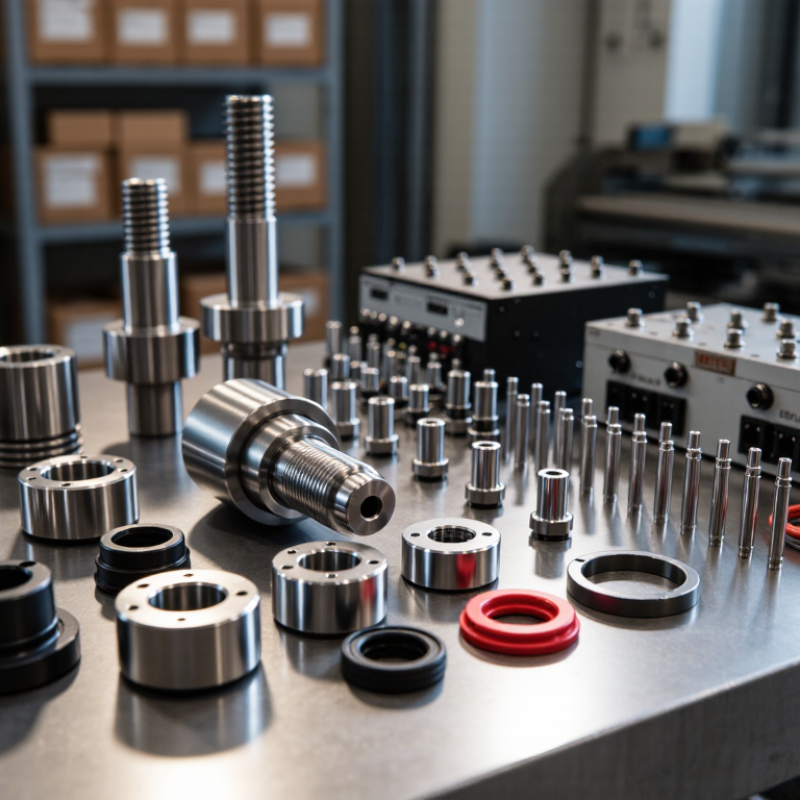
The review covers essential injection machine parts, including screw assemblies, barrels, check rings, ejector pins, heater bands, thermocouples, hydraulic seals, and control components. These parts may look small, yet a worn check ring can cause unstable filling. A damaged heater band can create uneven temperatures within one production shift. Supplier expertise matters when tolerances, steel grades, surface treatments, and machine compatibility must align.
Real-world maintenance experience also deserves attention. A catalog may show perfect dimensions, but installation feedback reveals more. We consider sample approvals, inspection reports, traceability, packaging quality, and replacement lead times. Clear technical drawings help technicians avoid costly assumptions. Responsive support helps when a machine stops unexpectedly.
No supplier ranking remains permanent. Prices change. Factories expand or reduce capacity. Some public information may also be incomplete. Therefore, this overview should support careful verification, not replace it. Buyers should confirm model numbers, operating conditions, certifications, warranty terms, and shipping arrangements before ordering.
The strongest suppliers usually combine stable production with honest communication. They explain limitations instead of promising everything. That matters. A dependable partner can recommend a compatible alloy, identify a measurement error, or admit when a custom part needs more testing. This guide aims to help manufacturers make informed decisions with practical evidence, technical judgment, and appropriate caution.
What Injection Machine Parts Are and Why They Matter
Injection machine parts are the working elements that transform plastic pellets into consistent molded products. They include the hopper, screw, barrel, nozzle, heater bands, sensors, and drive system. Each component controls a different stage of processing.
The screw conveys, melts, and mixes the material inside the heated barrel. Its flights must maintain suitable clearance, because excessive wear can reduce pressure and cause uneven melting. The nozzle guides the melt into the mold, while heater bands maintain the required temperature around the barrel. Thermocouples monitor heat, but inaccurate sensors can quietly create unstable cycles.
Small failures matter.
A worn check ring may allow backflow during injection. This can produce short shots, sink marks, or changing part weights. Hydraulic seals, servo components, and electrical connections also affect pressure control and repeatability. In practical maintenance, technicians often inspect leakage, unusual noise, temperature variation, and screw recovery time. These observations can reveal problems before visible defects appear.
Parts should match the machine, material, pressure range, and production conditions. A replacement that fits physically may still perform poorly. Material compatibility also matters, especially with abrasive or corrosive compounds. I have seen clean-looking components remain in service too long; appearance alone is not proof of reliability. Records of cycle data, inspection dates, and measured wear provide stronger evidence. Even experienced teams can overlook gradual changes, so periodic checks should challenge routine assumptions.
2026 Top Injection Machine Parts Suppliers Worldwide
What Injection Machine Parts Are and Why They Matter
Injection machine parts control melting, injection, clamping, cooling, and machine safety. The operating ranges below show typical temperatures used by key components in thermoplastic injection molding. Correct temperature control helps maintain part quality, reduce material degradation, and protect critical machine components.
Typical industrial operating ranges for common thermoplastic injection molding systems. Actual settings vary according to polymer type, machine design, mold requirements, and production conditions.
Key Criteria for Evaluating Global Parts Suppliers
2026 Top Injection Machine Parts Suppliers Worldwide
Global parts sourcing should begin with evidence, not a polished catalogue. PlasticsEurope reported 413.8 million tonnes of global plastics production in 2023. That scale increases pressure on machine uptime, repeatability, and replacement speed. Evaluate suppliers against your actual operating conditions, including resin type, clamp force, cycle time, temperature, and local maintenance skills.
Compatibility comes first. Request dimensional drawings, material certificates, hardness data, and batch traceability. For wear components, compare coating thickness, surface finish, and expected service life. ISO 9001 certification supports process control, but it does not guarantee perfect parts. Ask for inspection records and sample measurements. The best evidence is practical. A trial part should survive your production cycle, not only a laboratory check.
Response capability matters just as much. The 2023 World Bank Logistics Performance Index shows that delivery reliability varies significantly across markets. Check average lead times, emergency stock, packaging protection, and customs documentation. Calculate total cost, including downtime, freight, rework, and technician hours. A cheaper component may become expensive after one failed installation. No supplier is flawless. Even a strong evaluation can miss changing material batches or rushed maintenance decisions. Review performance quarterly, and record failures honestly. That uncomfortable record is often more useful than a perfect supplier score.
Leading Injection Machine Parts Suppliers in 2026
The leading injection machine parts suppliers in 2026 will compete on compatibility, traceability, and response speed. A 2024 Grand View Research assessment valued the global injection molding machine market above USD 15 billion in 2023. It also forecast steady growth through 2030. This expansion increases demand for tie bars, check rings, heaters, hydraulic seals, servo drives, and control boards.
Reliable suppliers provide measured tolerances, material certificates, and replacement guidance. They should understand mold pressure, resin temperature, cycle frequency, and machine age. A supplier with broad inventory can reduce downtime when a cracked seal or worn non-return ring stops production. Data beats claims. However, supplier rankings remain imperfect because regional service quality can change quickly. A low-cost component may also create unstable pressure, higher scrap, or repeated maintenance.
Tips: Compare at least three quotations, but do not judge by price alone. Request dimensional drawings, batch records, and warranty terms. Confirm whether parts are original-equivalent or custom manufactured. Check delivery performance for your region. Keep one tested spare set for critical wear parts. The 2024 VDMA plastics machinery report continued to highlight global investment and export pressure, making local technical support increasingly valuable. In practice, a supplier’s response during an unexpected breakdown often reveals more than its catalog.
Major Product Categories and Supplier Capabilities
In 2026, injection machine parts suppliers are judged by product depth and process control. Plastics Europe reported 413.8 million tonnes of global plastics production in 2023. That volume supports steady demand for reliable replacement components.
Major product categories include screws, barrels, check rings, nozzles, heaters, thermocouples, hydraulic pumps, servo motors, and control modules. Wear parts need suitable steel grades, surface treatment, and documented hardness. Electrical parts require stable temperature sensing and clear compatibility data. According to MarketsandMarkets, the plastic injection molding machine market is projected to grow from about USD 10.6 billion in 2023 to USD 13.4 billion by 2028. Parts suppliers must therefore support both new equipment and aging production lines.
Capability matters more than a large catalog. Strong suppliers provide dimensional inspection, material certificates, heat-treatment records, and batch traceability. They can also measure worn components and produce practical replacements. That process is useful when drawings are missing. Sometimes, however, “compatible” parts perform differently after installation. This remains an overlooked risk. Suppliers with regional stock, multilingual engineering support, and clear lead-time data reduce downtime. The best evaluations examine tolerance control, emergency response, installation guidance, and warranty terms. Small details matter. A nozzle with poor concentricity can cause leakage, contamination, and unstable filling. Deloitte’s advanced manufacturing research also highlights data visibility as a growing capability, making digital inspection records increasingly valuable for global buyers.
How to Select the Right Supplier for Your Machine Needs
2026 Top Injection Machine Parts Suppliers Worldwide
Choosing an injection machine parts supplier requires more than comparing prices. PlasticsEurope’s Plastics—The Fast Facts 2024 reports 413.8 million tonnes of global plastics production in 2023. That scale increases pressure on uptime, consistency, and replacement speed. Match the supplier to your machine model, polymer range, mold design, and operating temperature. Request dimensional inspection records, material certificates, and sample parts before approving regular orders. A supplier with practical molding experience should explain failure causes, not only sell components.
Quality systems also need careful checking. The ISO Survey 2023 recorded 1,265,216 ISO 9001 certificates worldwide. Certification is useful, but it does not guarantee perfect parts. Ask for traceability from raw steel to final inspection. Check hardness, surface finish, coating thickness, and critical tolerances. Review average lead time, emergency stock, packaging, and technical response hours. A cheap wear ring can become expensive after one unplanned shutdown. Sometimes, the quotation hides the real cost.
Tips: Send drawings, photos, and machine history. Define acceptance limits in writing. Compare three suppliers using the same checklist. Test a small batch first. Do not ignore local service capacity; a technically strong supplier may still fail during a weekend breakdown. Reassess the decision after installation. The first choice may look reasonable, yet operating data can reveal gaps in fit, delivery, or durability.
| Part Category | Primary Function | Common Materials | Key Specifications to Verify | Typical Failure Symptoms | Recommended Supplier Capability | Quality Priority |
|---|---|---|---|---|---|---|
| Barrel and Screw Assembly | Melts, mixes, conveys, and injects thermoplastic material into the mold. | Nitrided steel, bimetallic alloys, hardened tool steel, corrosion-resistant alloys. | Screw diameter, length-to-diameter ratio, flight geometry, compression ratio, material compatibility, surface hardness, and wear allowance. | Unstable shot weight, poor plasticizing, black specks, extended recovery time, or reduced output. | Supplier should provide drawings, metallurgy data, dimensional inspection, hardness records, and application-specific screw design support. | Critical |
| Check Ring and Non-Return Valve | Prevents molten polymer from flowing backward during injection and holding pressure. | Hardened alloy steel, stainless steel, wear-resistant coated steel. | Valve type, sealing geometry, clearances, stroke, alloy selection, and compatibility with abrasive or corrosive polymers. | Inconsistent cushion, fluctuating part weight, short shots, sink marks, or poor pressure transfer. | Supplier should offer precise machining, documented clearances, leak or sealing checks, and compatibility guidance for the resin being processed. | Critical |
| Nozzle and Nozzle Tip | Transfers molten material from the barrel into the mold sprue or hot-runner system. | Tool steel, hardened steel, stainless steel, wear-resistant alloys. | Nozzle radius, orifice diameter, shut-off style, heater fit, thread or mounting dimensions, and mold interface. | Material leakage, drooling, stringing, restricted flow, cold slugs, or nozzle-to-mold misalignment. | Supplier should confirm machine and mold dimensions, provide temperature and pressure ratings, and support wear-resistant options where required. | Critical |
| Barrel Heater Bands | Provides the heat required to melt and maintain the processing temperature of the polymer. | Stainless-steel sheath, mica insulation, ceramic insulation, nickel-chromium resistance wire. | Voltage, wattage, internal diameter, width, temperature rating, terminal type, insulation resistance, and control-zone layout. | Slow heat-up, uneven temperature, repeated fuse trips, cold spots, or premature heater failure. | Supplier should provide electrical test results, accurate dimensions, terminal protection, and heater designs matched to the machine control system. | Critical |
| Thermocouples and Temperature Sensors | Measures barrel, nozzle, mold, or hydraulic-system temperature for process control. | Mineral-insulated stainless steel probes, nickel-chromium alloys, copper-nickel alloys. | Sensor type, probe diameter, insertion length, response time, temperature range, connector style, and calibration tolerance. | Temperature alarms, unstable melt temperature, incorrect readings, or uncontrolled heating. | Supplier should provide sensor calibration information, wiring identification, connector compatibility, and traceable inspection records. | Critical |
| Hydraulic Seals and O-Ring Kits | Maintain hydraulic pressure and prevent leakage in cylinders, valves, pumps, and manifolds. | Polyurethane, nitrile rubber, fluorocarbon rubber, ethylene-propylene rubber, PTFE compounds. | Seal profile, groove dimensions, hydraulic-fluid compatibility, temperature range, pressure rating, and hardness. | Oil leakage, pressure loss, slow movement, unstable clamping, or contamination. | Supplier should provide compound information, dimensional control, storage guidance, and complete kit identification by machine assembly. | Critical |
| Hydraulic Filters | Removes particles from hydraulic oil and protects pumps, valves, and actuators. | Cellulose media, glass-fiber media, stainless-steel mesh, synthetic filter media. | Filtration rating, flow capacity, pressure drop, collapse pressure, bypass-valve setting, and housing dimensions. | High oil temperature, slow machine response, pump noise, pressure fluctuation, or blocked-filter alarms. | Supplier should publish filtration performance data and confirm compatibility with the hydraulic circuit and maintenance interval. | Critical |
| Hydraulic Hoses and Fittings | Transfers hydraulic fluid between pumps, valves, cylinders, and other system components. | Steel wire-reinforced elastomer hoses, thermoplastic hoses, carbon steel, stainless steel. | Inner diameter, working pressure, burst pressure, bend radius, fluid compatibility, fitting thread, and temperature range. | Oil leakage, hose swelling, vibration damage, pressure loss, or fitting failure. | Supplier should provide pressure-test documentation, correct thread identification, protective sleeves, and contamination-controlled packaging. | Critical |
| Tie Bars and Clamping Bushings | Supports the clamping force and maintains alignment between the fixed and moving platens. | Hardened alloy steel, chrome-plated steel, precision-machined steel. | Diameter, length, straightness, surface finish, hardness, plating thickness, thread details, and alignment tolerance. | Uneven mold loading, platen misalignment, tie-bar strain alarms, or premature bushing wear. | Supplier should have precision grinding, straightness measurement, hardness testing, and replacement-part dimensional control. | Critical |
| Linear Bearings and Guide Components | Guides moving platens, ejector assemblies, and other precision motion systems. | Hardened bearing steel, bronze alloys, polymer-lined materials, stainless steel. | Load rating, shaft diameter, bearing clearance, lubrication method, operating speed, and installation tolerance. | Sticking motion, abnormal noise, uneven mold movement, vibration, or increased cycle time. | Supplier should provide load data, dimensional inspection, lubrication recommendations, and installation instructions. | Important |
| Ejector Pins and Ejector Sleeves | Removes molded parts from the mold after cooling and opening. | Hardened tool steel, nitrided steel, stainless steel, coated steel. | Diameter, length, head style, hardness, straightness, surface finish, and fit with the mold ejector plate. | Ejector marks, sticking parts, bent pins, incomplete ejection, or mold damage. | Supplier should provide tight dimensional tolerances, surface-finish records, material certificates, and custom-length availability. | Important |
| Mold Clamps and T-Slot Hardware | Secures the mold to the fixed and moving platens. | Alloy steel, forged steel, heat-treated steel. | Clamping load, bolt grade, thread size, slot compatibility, jaw range, and safety factor. | Mold movement, uneven clamping, damaged T-slots, or loose hardware. | Supplier should provide rated load information, material grade, torque guidance, and hardware matched to platen dimensions. | Critical |
| Electrical Contactors and Relays | Switches heaters, motors, pumps, and auxiliary circuits within the machine control panel. | Industrial electrical contacts, molded insulating polymers, copper conductors. | Coil voltage, rated current, utilization category, switching frequency, auxiliary contacts, and panel mounting dimensions. | Heater zones dropping out, motor start failure, contact welding, or intermittent electrical faults. | Supplier should provide electrical ratings, terminal layouts, insulation data, and compatibility with the existing control cabinet. | Critical |
| Control Panel Cooling Filters and Fans | Removes heat and airborne particles from electrical enclosures. | Polyester filter media, aluminum frames, thermoplastic fan housings, steel guards. | Airflow, voltage, power consumption, filter efficiency, enclosure cutout, noise level, and ingress protection. | Control-panel overheating, drive faults, fan alarms, or premature electronic-component failure. | Supplier should provide airflow curves, replacement-filter availability, electrical specifications, and enclosure-fit drawings. | Important |
| Lubrication Pumps and Metering Devices | Delivers grease or oil to toggle joints, guide systems, bearings, and other moving components. | Steel, aluminum, engineering polymers, elastomer seals. | Reservoir capacity, lubricant viscosity range, discharge volume, operating pressure, cycle frequency, and alarm interface. | Dry joints, abnormal noise, rapid wear, lubrication alarms, or increased mechanical resistance. | Supplier should confirm lubricant compatibility, provide flow verification, and support integration with automatic lubrication controls. | Important |
| Supplier Selection Requirements | Ensures that the selected source can deliver safe, compatible, and repeatable replacement parts. | Not applicable; evaluate the supplier's materials, processes, and documentation. | Machine compatibility, drawings, inspection reports, material certificates, traceability, warranty terms, technical support, and spare-part availability. | Wrong fit, premature failure, inconsistent process performance, installation delays, or unplanned downtime. | Prioritize documented quality systems, engineering support, inspection capability, clear communication, and reliable after-sales service over price alone. | Critical |
Related Posts
-
Understanding the Essential Functions of Plastic Injection Machine Parts in Modern Manufacturing
-
Best Plastic Injection Machine Parts for Global Buyers?
-
How to Optimize Your Injection Molding Machine Mold for Maximum Efficiency and Quality
-

What is Plastic Insert Molding and How Does It Work?
-
How to Optimize Your Production Process with Injection Molding Machine Mold
-
How to Choose the Best Plastic Overmolding Supplier?
Submit a quote request or book a design consultation
Plastimold Products is an end-to-end product development and manufacturing team. We provide product design, engineering, prototyping, tooling, plastic injection molding, assembly, packaging and fulfillment. We work with any size company from start-ups to enterprises from all around the world.
I have a product I want to manufacture
I have a product that is already designed and now needs to be manufactured.
I need a manufacturer to optimize my product for injection molding, help choose the correct material, and manage the product production.
I have tooling that I want to transfer or modify, or I need to produce new tooling.
I need design and engineering support
I have a product concept that I want to be designed and brought to market.
I have a product that needs to be reviewed, improved or DFM’ed.
I am looking for a manufacturer to provide an end-to-end solution, from design and development to inventory, marketing, and sales.

©2022 Plastimold Products - Privacy policy - Terms and Conditions